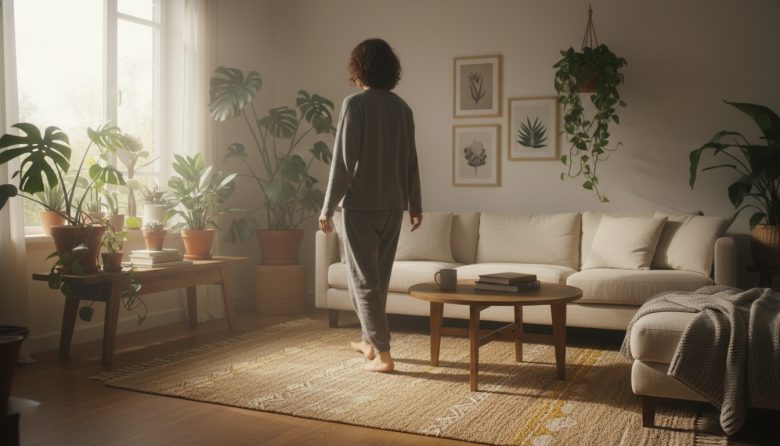
I remember those nights when I'd scroll through my phone right before bed, only to lie awake until 2 a.m., staring at the ceiling. My mind raced with notifications and random thoughts, turning what should have been rest into a battle. If this sounds familiar, you're not alone—many of us face restless sleep from modern habits.
The good news is you can build natural better sleep habits with simple daily tweaks. No pills or gimmicks needed—just consistent cues and routines that signal your body it's time to wind down. These changes lead to steady sleep wins, helping you wake up refreshed.
We'll cover six key areas, starting with a simple four-step evening framework. Each tip focuses on small, achievable changes using habit stacking and environment cues. Let's build your natural sleep foundation, one small habit at a time.
Embrace Morning Light to Anchor Your Sleep Rhythm
Getting natural light first thing in the morning sets your circadian rhythm, the body's internal clock that regulates sleep. This simple cue tells your brain to stay alert during the day and prepare for rest at night. Studies show just 10 minutes of exposure can improve sleep quality over time.
Start with a step-by-step guide: Right after waking, step outside for a 10-minute walk or stand by a bright window. If it's too chilly, open curtains wide and sip coffee nearby. Make it frictionless by placing shoes by your bed the night before.
Before: Sarah rushed to her desk in the dark, feeling groggy all day. After: She added a morning porch stretch, stacking it onto her coffee routine. Now, she falls asleep faster and wakes energized. Try this tomorrow—your body will thank you with deeper rest.
Craft a 4-Step Evening Framework for Effortless Wind-Down
A structured wind-down routine creates consistency, reducing the mental friction that keeps you up. This four-step framework uses cues like time and objects to guide you gently into sleep. Pick one step to start, building from there for sustainable progress.
Here's the simple framework:
- Dim lights at 8 p.m.: Switch to warm bulbs or lamps as your evening cue. This mimics sunset, lowering melatonin production naturally.
- Herbal tea ritual: Brew chamomile or valerian root tea at the same time nightly. The warmth and scent become a relaxing anchor.
- Journal three gratitudes: Write one sentence each for things you're thankful for. This shifts focus from stress, clearing your mind.
- Progressive muscle relaxation: Tense and release muscle groups from toes to head, lying in bed. Pair with deep breaths for full-body calm.
Real-life example: Mike used to watch TV until midnight. He stacked dimming lights onto dinner cleanup, adding tea next. Within a week, his bedtime felt natural. For more on avoiding screens, explore Screen-Free Evening Tips for Easy Bedtime to enhance this flow.
Design a Bedroom That Invites Deep, Restful Sleep
Your bedroom should be a cool, dark, quiet sanctuary that cues sleep automatically. Clutter or light leaks create subconscious friction, disrupting rest. Small tweaks turn it into a sleep haven without big spending.
Start with these environment changes:
- Install blackout curtains to block streetlights and dawn rays.
- Use a white noise machine or fan for steady background sound.
- Check your mattress—add a topper if it's over seven years old.
Relatable story: Lisa's room had glowing chargers and piled clothes, leaving her tossing. She cleared surfaces, added curtains, and plugged in a fan. Her before-bed routine now feels inviting, leading to longer sleep stretches. These cues build steady progress effortlessly.
Simple Food Swaps to Fuel Natural Sleep Cycles
What you eat in the evening impacts your sleep cycles directly—some foods rev you up, others promote calm. Simple swaps reduce friction, making better choices routine. Use this table for quick reference, stacking swaps onto dinner prep.
| Swap Out | Swap In | Sleep Benefit |
|---|---|---|
| Coffee or caffeine after 2 p.m. | Herbal tea like peppermint | Prevents jitters that delay melatonin onset |
| Heavy fried dinner | Light grilled chicken salad | Eases digestion, avoids discomfort overnight |
| Chocolate dessert | Banana with almond butter | Provides magnesium and tryptophan for relaxation |
| Spicy foods close to bed | Oatmeal with cherries | Reduces heartburn; cherries boost natural melatonin |
| Alcohol nightcap | Warm milk with turmeric | Promotes deeper sleep without fragmented wake-ups |
| Sugary snacks | Yogurt with nuts | Steadies blood sugar for uninterrupted rest |
Habit stacking example: Prep your swap-in snack during afternoon tea time. This creates a cue that leads to calmer evenings and better sleep. Small wins like these add up to sustainable rhythms.
Dodge Common Sleep Blockers with Practical Fixes
Even with good habits, blockers like screens or stress can derail progress. Recognizing them early lets you add targeted fixes. Focus on cues to bypass these without willpower battles.
Here are common ones with practical solutions:
- Screens before bed: Set a phone charger in another room at 9 p.m.; read a book instead.
- Weekend lie-ins: Stick to wake-up time with morning light cue, even on days off.
- Evening stress rumination: Use a "worry dump" journal page before your gratitude step.
- Inconsistent schedule: Anchor bedtime to dinner hour for steady cues.
During holidays, adapt with portable routines—check Holiday Season Sleep Routine to Stay Energized for tweaks. These fixes keep your momentum going.
Track One Tiny Metric for Sustainable Sleep Progress
Tracking keeps you motivated with visible small wins, without overwhelming data. Pick one tiny metric: Note the time from lights out to falling asleep each night. Aim for under 30 minutes as your steady goal.
Use a bedside notepad or app as your cue—jot it right after waking. This builds awareness of patterns gently. Over seven days, you'll see progress that encourages more habits.
Choose one habit from this guide, pair it with a cue like your tea mug, and track for seven days. For note-taking ideas, see How to Track Sleep Patterns with Simple Notes. Your better sleep starts now.
Frequently Asked Questions
What if I can't get morning light on cloudy days?
Use a light therapy lamp or bright indoor lamp for 10 minutes while eating breakfast. This mimics natural light effectively. Consistency with this cue still anchors your rhythm well.
How do I handle shift work with these routines?
Adapt the cues to your schedule—shift morning light to post-sleep and evening steps to pre-bed, whatever the hour. Prioritize the four-step framework around your fixed anchor points. Steady application yields results over time.
Will these tips work if I have insomnia?
Start with one or two habits, like dimming lights and the metric track, building slowly. Consult your doctor for personalized advice alongside these natural steps. Many find steady improvement with patience.
What's the best time to stop eating for sleep?
Aim to finish meals three hours before bed to allow digestion. Use food swaps for lighter evenings if needed. This cue prevents wake-ups from fullness.
How long until I notice better sleep?
Expect small wins like easier wind-downs in seven days. Steady, deeper sleep often follows in two to four weeks with consistency. Celebrate each progress note.



Comments
Pingback: Beyond the Basics: How to Build the Best Sleep Hygiene Routine for Your Chronotype - Sunaport