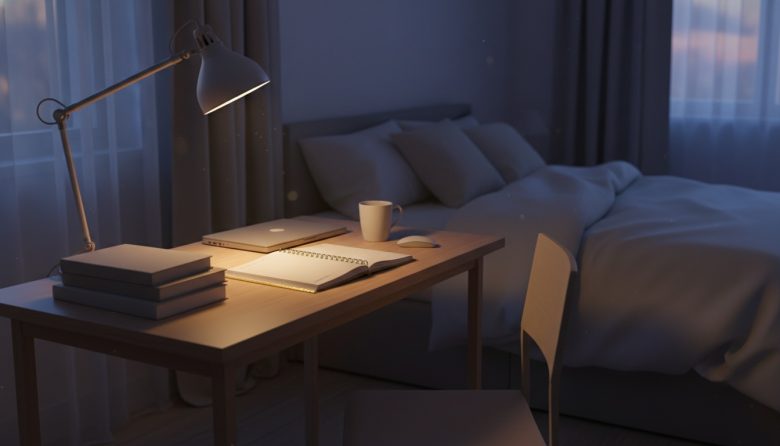
Picture this: it's 11:45 p.m., your desk is buried under notes and coffee mugs, and you're cramming for that exam. You finally collapse into bed at midnight, only to wake up groggy, hitting snooze three times before dragging yourself to class. Sound familiar? This cycle leaves many students running on fumes, with studies showing college kids average just 6.5 hours of sleep per night.
A simple nighttime routine can change that. It builds steady energy for sharper focus and better grades without feeling like extra work. In this guide, we'll walk through a sustainable plan from study shutdown to deep sleep, using small cues and habits for real results.
Wrap Up Studying with a 5-Minute Shutdown Ritual
End your study session cleanly to signal your brain it's time to switch off. Start by reviewing your top three notes from the night—jot them on a sticky note for tomorrow. This quick recap cements what you learned without endless rereading.
Next, plan one key task for the morning. Lay out your backpack and set clothes aside. Physically tidy your desk: stack books, toss wrappers, wipe the surface. This creates a calm cue that work is done.
Habit stack it onto your study timer. When the alarm buzzes at 10 p.m., flow right into shutdown. Sarah, a sophomore, used to study past midnight; now her 5-minute ritual gets her to bed by 10:30, feeling prepared instead of panicked.
Create a Friction-Free Buffer Zone After Lights-Out Study
After shutdown, build a 20-30 minute buffer to ease out of study mode. Dim the lights and sip herbal tea—no caffeine after 3 p.m. Add light movement like stretching arms or walking around the room to release tension.
Environment tweaks make it stick: place a coaster by your bed for the tea mug as a visual cue. Before this, Mia's nights blurred from notes to tossing in bed; now her buffer zone resets her mind, leading to faster sleep onset.
Keep it low-friction— no big chores. This gentle transition prevents mental whiplash, setting up steady rest. For more on smoothing evenings, explore a simple evening routine for deeper sleep tonight.
Your 4-Pillar Framework for Effortless Evenings
This framework boils down your night into four pillars: shutdown study, buffer reset, gentle unwind, and sleep anchor. Each builds on the last for consistency without overwhelm. Start small—pick one pillar to tweak first.
Pillar 1: Shutdown study clears mental clutter with a 5-minute ritual. Pillar 2: Buffer reset adds 20 minutes of low-key hydration and movement. These create cues your body recognizes as "wind-down time."
Pillar 3: Gentle unwind swaps screens for cozy rituals like reading. Pillar 4: Sleep anchor is your consistent bedtime cue, like brushing teeth in dim light. Real-life tweak: stack reading onto tea time. Over a week, these pillars turn chaotic nights into sustainable flow.
Nighttime Routine Habit Checklist
| Pillar | Key Habit | Cue | Duration |
|---|---|---|---|
| Shutdown Study | Review notes, plan tomorrow, tidy desk | Study timer ends | 5 min |
| Buffer Reset | Dim lights, herbal tea, light stretch | Desk tidied | 20 min |
| Gentle Unwind | Read or journal, breathwork | Tea mug empty | 15 min |
| Sleep Anchor | Brush teeth, set alarm, lights out | Book closed | 5 min |
Use this checklist daily—print it or note in your phone. Check off as you go for small wins. It keeps the framework visual and achievable.
Unplug and Recharge with Cozy Wind-Down Rituals
Screen time tricks your brain into alertness, so set a curfew 30 minutes before bed. Try these for pillar 3: read a light book or journal three gratitudes. Breathwork like 4-7-8 breathing calms racing thoughts—inhale 4, hold 7, exhale 8.
Stack it on your buffer: after tea, grab that book from your nightstand. Jake used to scroll till 1 a.m.; now cozy rituals recharge him, with before-bed energy dropping from frantic to relaxed. Cut late-night screens with simple tips to cut out late-night screens.
Make it fun—pick a scented candle or playlist of soft sounds. This pillar turns unwind time into a highlight, not a chore.
Common Blockers and Quick Fixes for Smoother Nights
Late caffeine spikes keep you wired. Swap it for herbal tea after noon—keep chamomile packets by your kettle as a cue.
Scrolling urges hit hard in bed. Put your phone in a drawer across the room post-shutdown; replace with a book on your pillow.
- Racing thoughts? Do a brain dump: list worries on paper during buffer, then set it aside.
- Room too bright? Use a sleep mask or clip lights with tape.
- Hunger distractions: keep nuts by bed for a small handful if needed.
These fixes reduce friction fast. Notice one blocker, apply the tweak—steady progress follows.
Track One Tiny Metric for Sustainable Wins
Your tiny metric: log "minutes from lights out to asleep" each night. Use a bedside journal or app—jot it right after waking.
This tracks sleep quality without effort. Over seven days, watch it drop as habits click. Pair with a morning cue for full cycle gains, like a morning wake-up plan to boost your night sleep.
CTA: Choose one habit from the pillars + one cue. Try for 7 days, track your metric. Celebrate small drops in time— that's your win.
Frequently Asked Questions
What if I have late classes or group study?
Scale the routine to fit—shorten buffer to 10 minutes if needed. Always prioritize shutdown ritual to close the mental loop. Consistency in the pillars keeps energy steady even on shifted nights.
I'm not hungry at night – do I skip snacks?
Focus on hydration over food; herbal tea counts as your light ritual. If a rumble hits, grab a few nuts—no big meal. This keeps digestion calm for better sleep without forcing eats.
How do I handle roommates or noisy dorms?
Earplugs or a white noise app become your sleep anchor cue—start it during unwind. Chat with roommates about quiet hours if possible. These tweaks create your calm zone anywhere.
What if I miss a night – do I quit?
Restart with just one pillar the next evening—no big deal. Consistency builds through small returns, not perfection. Your metric will show progress over weeks, not single days.
Can this routine help with daytime focus too?
Absolutely—better sleep means steady daytime energy and recall. Link it to a morning habit for full benefits. Students report sharper classes after a week of these evenings.