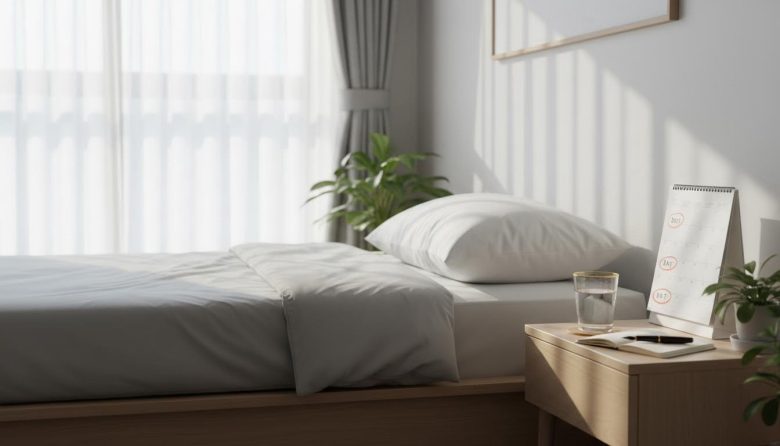
Picture Sarah, a mom with a full-time job, soccer practices, and endless emails. She drags through her days on four hours of choppy sleep, snapping at her kids and crashing mid-afternoon. One small shift changed everything: consistent cues turned her chaotic nights into steady rest.
Sleep isn't a luxury—it's fuel for steady energy, sharper focus, and calmer reactions. For busy schedules, overhauls fail fast. This 7-day plan builds sustainable wins with three simple pillars: cue-based wind-downs, daytime anchors, and environment tweaks.
Each day layers in one easy action, stacking habits onto what you already do. No big disruptions, just small cues that signal rest. You'll track one tiny metric to spot progress without overwhelm.
Ready for small changes that stick? Pick one cue from the plan and follow it for seven days. Sarah woke refreshed by day four—your steady energy starts now.
Layer in 3 Pillars for Sleep That Fits Your Chaos
The first pillar is cue-based wind-down. These are gentle signals your body learns to associate with rest, like dimming lights after dinner. Stack them onto brushing teeth for zero extra friction.
- Start with a 5-minute breath routine: Inhale for four, hold four, exhale six.
- Pair it with herbal tea—no screens nearby.
Sarah stacked this after her kids' bedtime stories. Before, she'd scroll endlessly; now, her eyes droop naturally by 10 p.m.
Pillar two: daytime anchors. Morning light and short moves keep your rhythm steady, preventing evening crashes. Tie them to coffee breaks or commutes for easy consistency.
- Get 10 minutes of natural light within an hour of waking.
- Add a 2-minute walk or stretch mid-morning.
Think of Mike, a shift nurse. He steps outside during his first break. His afternoons feel less foggy, nights deeper.
Pillar three: environment tweaks. Small changes cut sleep friction, like cooler temps or quiet cues. When considering How to Create a Sleep-Friendly Bedroom Setup, focus on blackout shades first—they block light leaks effortlessly.
- Lower room temp to 65°F with a fan.
- Clear nightstand clutter for a calm signal.
These pillars interconnect. Day anchors build evening ease; tweaks amplify cues. Start small for wins that last.
Craft Evening Cues That Signal Rest Without Overhaul
Evening cues reduce decision fatigue. Dim lights 90 minutes before bed mimics sunset, cueing melatonin. Stack with a warm drink like chamomile—no prep needed.
Before: Sarah ate late, checked phones, tossed till midnight. After: Lights low at 9 p.m., tea in hand, bed by 10:30. She falls asleep in 15 minutes flat.
Try this for shift workers. Post-shift, plug in your phone across the room. Follow with How to Build a Quick Evening Relaxation Habit using progressive muscle relaxation—tense and release each group for five minutes.
Consistency builds the cue. Miss a night? Resume without guilt. Your body learns fast with repetition.
Daytime Tweaks to Build Nighttime Momentum
Morning light resets your clock. Open curtains or step outside—no gym required. Stack it with breakfast for a routine anchor.
Midday, swap heavy lunches for protein snacks like nuts. Add micro-movement: stand during calls. This steadies blood sugar, easing evening wind-down.
Take Lisa, a freelancer. She walks to her mailbox post-coffee. Afternoons sharpen; nights unwind smoother. Even adapt ideas from a Student Nighttime Routine from Study to Sleep by front-loading light exposure.
These tweaks prevent crashes. Evening cues land better with daytime rhythm. Small stacks create big momentum.
Your 7-Day Sleep Roadmap with Built-In Wins
This roadmap weaves the pillars daily. Each day adds one cue or habit, building layers. Check off tiny wins to see steady progress—no perfection needed.
Focus on evening first, then daytime, ending with tweaks. Adjust times to your schedule. By week’s end, rest feels natural.
| Day | Evening Cue | Core Habit | Tiny Win Tracker |
|---|---|---|---|
| Day 1 | Dim lights at your usual wind-down time | 5-min breath stack after brushing teeth | Did I notice quicker drowsiness? |
| Day 2 | Add herbal tea to dim lights | Morning: 10-min natural light exposure | Was my energy steadier today? |
| Day 3 | Phone across room post-tea | Midday: 2-min walk or stretch | Did bedtime feel easier? |
| Day 4 | Full wind-down stack (lights, tea, breath) | Snack swap: Nuts over carbs | Woke refreshed? Note yes/no |
| Day 5 | Layer in muscle relaxation | Consistent light + move combo | Afternoon crash reduced? |
| Day 6 | Environment: Fan for cool air | All daytime anchors | Sleep onset under 20 min? |
| Day 7 | Full routine + nightstand clear | Review week's stacks | Overall consistency score? |
Use this table daily. Print or note in your phone. Celebrate each check—small wins fuel sustainability.
Spot and Sidestep Common Sleep Blockers
Screens steal melatonin with blue light. Fix: Blue-light glasses or apps post-8 p.m. Stack a book cue instead.
- Irregular meals: Late eats spike energy. Shift dinner earlier; snack lightly if needed.
- Stress carryover: Journal three gratitudes pre-bed. It clears mental clutter fast.
- Cluttered space: Tidy one shelf nightly. A calm view signals rest.
These fixes match pillars. Spot a blocker? Swap with a cue. Steady routines outlast chaos.
One Tiny Metric to See Steady Progress
Your metric: bedtime consistency score. Note minutes early to bed each night versus usual. Average weekly for trends.
Example journal: Night 1: 10 min early. Night 2: 5 min. Score: 7.5 min average. Sarah's climbed to 25 by week two—energy followed.
Track in a notes app. No fancy tools. Seeing numbers rise motivates without pressure.
Choose one habit and one cue from the table. Try for 7 days. Notice your small wins and share what clicked.
FAQ: Your Sleep Plan Questions Answered
What if my schedule changes mid-week?
Adapt cues flexibly—shift dim lights to your new wind-down. Keep the stack order: lights first, then breath. Consistency in sequence matters more than clock time.
Can I do this with kids or roommates?
Stack shared cues, like family tea time for dim lights. Involve them in breath routines for fun. Your calm influences the house rhythm.
What counts as a 'win' if I miss a night?
Any cue attempted counts—focus on streaks of 2-3 days. Miss one? Note why and resume. Progress builds from restarts, not perfection.
Is caffeine totally off-limits?
Time it before noon max. Stack your morning light cue post-coffee to balance. Evening crashes fade with this tweak.
How do I know it's working beyond 7 days?
Use the bedtime score for trends—aim for 15+ min average. Track energy notes too. Extend to 14 days for deeper habits.