Imagine this: It's 2 a.m., and a sliver of streetlight sneaks through your curtains, jolting you awake. You toss and turn, every creak or distant car horn amplifying your light sleeper's sensitivity. Sound familiar? These subtle disturbances add up, fragmenting your rest without you even realizing it.
Small bedroom tweaks can create powerful cues for deeper sleep. No need for expensive renovations—just steady adjustments to light, noise, temperature, clutter, and positioning. These five pillars form a simple framework to build sustainable habits around your space.
Think of Sarah, who used to wake three times a night from hallway glow and neighbor chatter. After simple changes, she now drifts off effortlessly, waking refreshed. You can see similar small wins with everyday shifts, like habit stacking a quick furniture nudge with your evening routine.
These aren't overnight fixes but consistent cues that signal your body it's time to rest deeply. Start with one pillar this week, and notice how your sleep steadies. Let's dive into the framework and make your bedroom a rest sanctuary, one tweak at a time.
Craft Total Darkness to Stay Asleep All Night
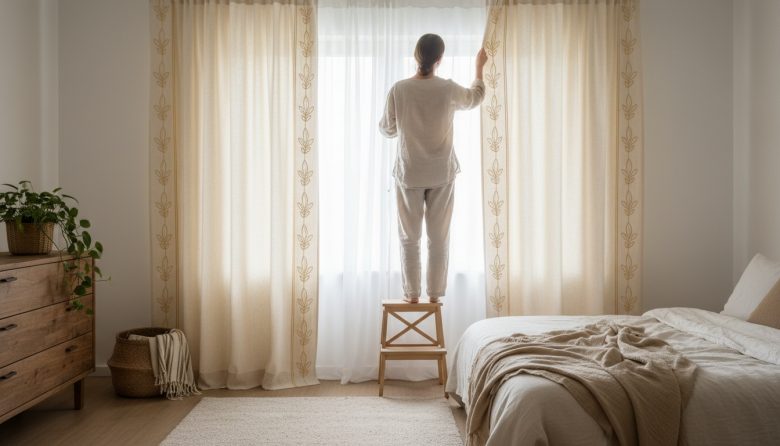
Light sleepers thrive in pitch black, where even a phone's glow disrupts melatonin. Start with blackout curtains that hug the window frame tightly. Measure your windows first, then choose floor-length ones with a blackout lining for full coverage.
Seal side channels with foam weatherstripping or draft stoppers—simple adhesive strips that block sneaky light leaks. Position furniture like a dresser in front of secondary windows to shield your bed. This creates a natural barrier without drilling.
Habit stack it: After brushing your teeth, draw the curtains fully. Sarah's before routine meant half-open blinds and fitful sleep; after, she closes them as her wind-down cue, pairing it with quick tips to wind down before bedtime. Now, she sleeps through till morning.
Check monthly for gaps as seasons shift sunlight angles. This low-friction habit reduces wake-ups by blocking 99% of external light. Your body learns the cue: dark room equals deep rest.
Muffle Night Noises Without Overhauling Walls
Noise jolts light sleepers from subtle hums to loud bangs. Layer soft furnishings first: Thick rugs underfoot absorb footsteps, while heavy curtains and upholstered headboards dampen echoes. Place them strategically near doors and windows.
Add a white noise machine on a low shelf, aimed at the ceiling for even diffusion—not directly at your head. Experiment with fan speeds or apps for ocean waves. Seal door drafts with rolled towels to cut hallway chatter.
Take Mike's story: Street traffic kept him up until he added a rug and machine. Before: Tossing at every car pass. After: Steady white noise masks disruptions, letting him stack it with his book-reading routine.
Short list of adds: Rugs for floors, pillows for walls, earplugs as backup. These tweaks create acoustic cues without permanent changes. Consistency here builds resilience to nighttime sounds.
Set Your Room Temperature for Effortless Drift-Off
Ideal sleep temp hovers at 60-67°F (15-19°C) for light sleepers, cooling your core as you rest. Position a fan to blow across the room, not straight on, pulling in cooler air. Use breathable cotton or linen sheets that wick moisture.
Adjust vents: Tape or redirect if they blast heat toward the bed. Set a pre-bed timer on the fan for 30 minutes to cue cooldown without overnight chill. Open a window crack if safe, layering with lighter blankets.
Emily shifted her routine: Before, stuffy air meant sweaty wake-ups. After stacking fan-on with pajamas, she pairs it with how to time meals for improved night sleep, staying cooler all night. Small win: Deeper, uninterrupted rest.
Track room temp with a cheap thermometer bedside. These cues make dropping temp a habit, easing you into sleep effortlessly. Sustainable comfort follows quick environment tweaks.
Declutter Your Space for a Calmer Mindset
Visual clutter revs your brain, keeping light sleepers alert. Start with nightstand minimalism: Keep only lamp, water, book—one of each. Use a small tray to contain essentials, reducing scan-induced anxiety.
Under-bed bins hide storage, lifting floor chaos. Limit wall art to soft neutrals above the bed, avoiding busy patterns. Clear electronics to drawers, eliminating glow cues.
Before/after for Lisa: Chaotic piles meant mental buzz till 1 a.m. After decluttering during her weekend tidy, serene space cues calm. She stacks it with journal time, fostering steady unwind.
Bulleted small wins:
- One-item nightstand rule.
- Weekly 5-minute sweep.
- Vertical storage for clothes.
These reduce friction, signaling peace to your mind. Progress builds as clutter fades, sleep deepens.
Position Bed and Furniture to Minimize Disruptions
Bed placement matters: Head it away from doors and windows to dodge drafts and light. Angle so you face a solid wall, not open space. Keep 18-24 inches between bed and paths for smooth traffic flow.
Distance tech: Nightstand charger at arm's reach max, phone in another room. Shift dresser to block partner movement views. Solid headboard anchors stability.
Simple list for tweaks:
- Push bed corner-wise if needed.
- Clear floor paths.
- Test for morning light alignment.
Habit cue: Rearrange during weekend clean, like Tom's refresh. Before: Door slams woke him. After: New flow plus travel-friendly sleep routine to fight jet lag habits at home mean fewer jolts. Steady positioning quiets disruptions.
Common Blockers and Their Practical Fixes
Even with pillars, blockers like partner shifts or pet paws persist for light sleepers. Inconsistent routines amplify them. This table offers quick do's and don'ts tied to each pillar for fast reference.
| Do | Don't | Why It Helps Light Sleepers |
|---|---|---|
| Hang heavy blackout curtains | Leave blinds half-open | Blocks 99% streetlight, cutting wake-ups by creating total dark cues |
| Place white noise machine on low shelf | Blast TV or radio overnight | Masks inconsistent noises steadily, without startling volume shifts |
| Position fan for cross-breeze | Let vents blow directly on bed | Maintains even 65°F cool, easing drift-off without hot spots |
| Limit nightstand to 3 items | Pile books and chargers | Reduces visual friction, calming mind for faster sleep onset |
| Angle bed from door traffic | Center bed in room flow | Minimizes movement jolts, fostering secure rest position |
| Use breathable linens | Layer heavy comforters year-round | Prevents overheating wake-ups, supporting temp consistency |
| Seal door gaps with towels | Ignore drafty thresholds | Blocks noise and light leaks, enhancing pillar barriers |
| Hide cords under bed | Trail wires across floor | Eliminates trip hazards and visual clutter distractions |
Scan for your top blocker and apply one row today. These fixes build on pillars for layered protection.
Track One Tiny Metric for Sustainable Wins
Your tiny metric: Jot "wake-ups per night" on a bedside note pad each morning. No app needed—just one number. This cue ties to your routine, spotlighting progress from tweaks.
Week one might show 4; by week two, 2 with curtain habits. Celebrate small wins like fewer notes. It motivates steady changes without overwhelm.
CTA: Pick one pillar—like darkness—and one cue, such as "curtains after teeth." Try for 7 days, track wake-ups. Sustainable sleep follows these consistent steps.
Frequently Asked Questions
What if I rent and can't drill holes for curtains?
Opt for tension rod blackout curtains that spring into place without tools. Add magnetic strips or command hooks for liners. These no-damage fixes seal light fully, stacking easily with your brush-teeth routine for quick wins.
How do I handle a snoring partner in a shared room?
Position the bed headboard against a solid wall, away from their side, and add a body pillow barrier. Use a white noise machine between you for masking. Discuss shared tweaks like their pre-bed nasal rinse, building mutual cues for quieter nights.
When will I notice fewer wake-ups?
Steady progress shows in 1-2 weeks with daily pillar consistency. Early wins come from light and noise tweaks. Track your metric to see sustainable drops, adjusting one habit at a time.
Are there cheap ways to cool a stuffy bedroom?
Fan hacks like ice bowls in front create mist; swap to linen sheets under $20. Crack a high window for airflow. These low-cost cues pair with timer habits for effortless temp control.
What about pets waking me up at night?
Set bed-off-limits cues with a cozy floor mat nearby, using treats for training. Position their bed away from traffic paths. Consistent evening settle routines reduce paw patrols, preserving your light sleep sanctuary.