Picture this: It’s 10 p.m., and you’re racing around the kitchen, phone in hand, scrolling through endless feeds while your mind buzzes with tomorrow’s to-do list. Lights blare overhead, and you’re sipping coffee to power through one last email. Bed feels like a battlefield, not a sanctuary. Sleep? It’s shallow and restless, leaving you groggy the next day.
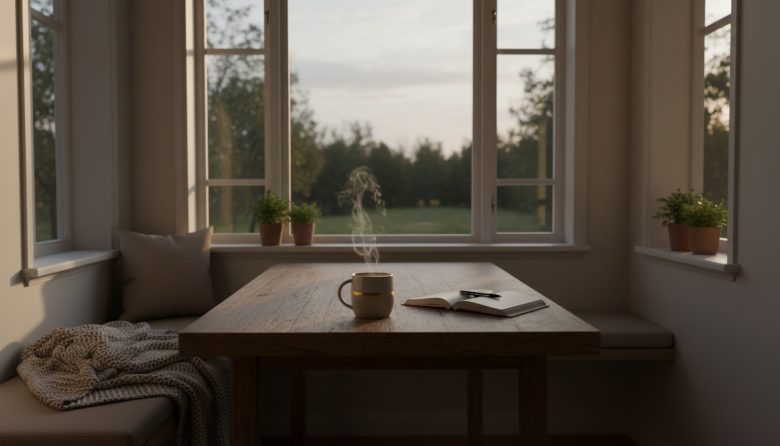
Now imagine shifting to a calm wind-down. Lights dim softly around 8 p.m., you swap your screen for a cozy book, and a warm herbal tea signals it’s time to unwind. Your evenings transform into a gentle ritual that cues your body for rest. Within a week, you fall asleep faster and wake refreshed. This isn’t about perfection—it’s steady, sustainable changes.
Today, we’ll explore a simple 3-pillar framework: Environment, Body, and Mind. These pillars build consistency through easy cues and small wins. You’ll get step-by-step guides, real-life examples, and tweaks to make it stick. Ready for quicker, deeper sleep? Let’s start with your surroundings.
Set a Cozy Stage with Evening Light Tweaks
Light sets the tone for your body’s sleep clock. Bright overheads or blue screens trick your brain into daytime mode. Start dimming lights two hours before bed to signal rest time.
Swap cool bulbs for warm ones—aim for 2700K or softer. Use lamps instead of ceiling fixtures. This cuts glare and creates a cozy glow that eases tension.
Habit stack it: After brushing your teeth, flick on a bedside lamp and turn off main lights. One reader shared how this cue cut her bedtime by 20 minutes. She went from frantic evenings to a peaceful fade-out.
For more cues like this, habits from 10 Simple Habits That Improve Sleep Quality pair naturally here. Keep it friction-free—place a dimmer switch by your door.
Swap Scroll Sessions for Soothing Reads
Screens steal sleep with blue light and mental stimulation. Set a digital sunset: No devices after 9 p.m. Charge your phone in another room to remove temptation.
Replace scrolling with a book or magazine. Paper pages don’t emit light, and stories transport you away from stress. Audio books or podcasts work too—try sleep stories on low volume.
Build the cue: Place a book on your pillow each morning. Evening arrives, and it’s right there, friction gone. Sarah, a busy mom, stacked this with her kids’ bedtime. Her racing thoughts quieted, leading to steady sleep gains.
This routine reduces decision fatigue. Your mind unwinds naturally, prepping for pillar two: the body.
Sip and Snack on Sleep-Supporting Choices
Late caffeine or heavy meals disrupt rest. Opt for gentle evening fuels that support melatonin. Herbal teas like chamomile calm nerves without jitters.
Try a small snack: Banana with almond butter or yogurt. These provide tryptophan for sleep hormones. Sip slowly as your wind-down cue—brew at 8 p.m. sharp.
Mike swapped his 9 p.m. soda for chamomile tea. Paired with dim lights, it became his signal. He noticed falling asleep in under 15 minutes. Keep portions light to avoid discomfort.
Bedtime Wind-Down Do’s and Don’ts
| Do | Don’t | Why It Helps |
|---|---|---|
| Journal 3 gratitudes | Check work emails | Builds mental closure, shifts focus from worries to positives |
| Dim lights early | Use overhead fluorescents | Cues melatonin release for natural drowsiness |
| Sip chamomile tea | Drink coffee or soda | Promotes relaxation without stimulants disrupting sleep cycles |
| Read a physical book | Scroll social media | Reduces blue light exposure and quiets overactive thoughts |
| Do gentle stretches | Intense workouts | Releases physical tension for easier muscle relaxation |
| Practice 4-7-8 breathing | Replay daily stresses | Activates calm response, slowing heart rate |
Use this table as your nightly checklist. Print it or save on a non-screen note. Tick off do’s to celebrate progress—it’s a visual cue for consistency.
Each row stacks habits into a routine. Over time, don’ts fade naturally. This quick reference keeps your 3 pillars aligned without overwhelm.
Unknot Your Body with 5-Minute Stretches
Tension hides in your muscles from the day. A short body pillar routine releases it. Dedicate 5 minutes before bed—no gym clothes needed.
Start with neck rolls: Gently tilt head side to side, 10 seconds each. Move to seated forward fold—reach for toes, breathe deep. End with legs up the wall: Lie with calves on bed for circulation.
Before: Lisa slumped into bed tense, tossing for hours. After stacking stretches post-tea, her body sank into rest. Small win: Woke without neck kinks.
This pillar bridges environment calm to mind quiet. Your body cues readiness for pillar three.
Quiet Your Mind with Breath-Focused Pauses
Our 3-pillar framework wraps here. Environment pillar: Dim lights, no screens, soothing sips set the stage. Body pillar: 5-minute stretches unknot tension.
Mind pillar: Breath pauses seal it. Try 4-7-8: Inhale 4 seconds, hold 7, exhale 8. Do four rounds in bed. It slows thoughts like a gentle brake.
Steady progress comes from cues, not force. Link to 7-Day Reset Routine for Better Sleep Habits for deeper tracking. One user added this post-stretch—racing mind gone, sleep steady.
Mix pillars daily for sustainable rhythm. Environment cues body ease, mind follows. You’re building a routine that sticks.
Overcome Common Blockers to Your Wind-Down Routine
Late work emails derail starts. Fix: Set an 8 p.m. auto-reply—”Responding tomorrow.” Cue your phone to silence notifications.
Racing thoughts persist. Brain dump: Jot worries on paper at 9 p.m. It offloads mental load without screens.
- Partner’s TV blares? Use earplugs or a white noise app pre-bed. Stack your routine in bathroom.
- Too tired for stretches? Do them seated on couch during tea time. Friction drops, habit forms.
These tweaks turn blockers into wins. Consistency builds from fixes, not flawless days.
Your Tiny Metric: Track One Bedtime Cue
Pick lights dimming or tea sip as your metric. Note it nightly in a phone app or bedside journal—did it happen?
Celebrate streaks: Three days? Reward with a new tea flavor. Small wins fuel momentum.
Choose one habit + one cue today. Try for 7 days. Notice how sleep shifts—steady, not sudden.
For athletes, blend with a post-workout recovery sleep routine for athletes to enhance recovery.
Frequently Asked Questions
What if I can’t stop thinking about tomorrow at bedtime?
Grab a notebook for a quick brain dump. Write three worries and one next-step action—then close it. This creates mental closure, like filing away loose ends. Pair with 4-7-8 breaths for a double calm cue. Most find thoughts fade within days of routine use.
Is it okay to have a small snack before bed?
Yes, if it’s sleep-friendly like nuts, yogurt, or cherries—rich in melatonin helpers. Avoid sugar or spice that spikes energy. Time it 1-2 hours pre-bed for digestion. Edge case: If reflux hits, skip solids for tea only.
How long should my wind-down routine be?
Aim for 30-60 minutes to keep it sustainable. Start shorter if needed—15 minutes builds consistency. Expand as cues stick. It’s flexible; adjust for your evening rhythm without pressure.
What if my partner has a different schedule?
Habit stack in shared spaces creatively. Do stretches in another room or breathwork under covers. Use headphones for audio reads. Communicate your cues—they might join for cozy lights, turning it into a team win.
Can I still exercise close to bedtime?
Gentle movement yes—like yoga or walks. Skip high-intensity to avoid adrenaline. Tweak to evening stretches if needed. This fits body pillar perfectly, easing you into rest.