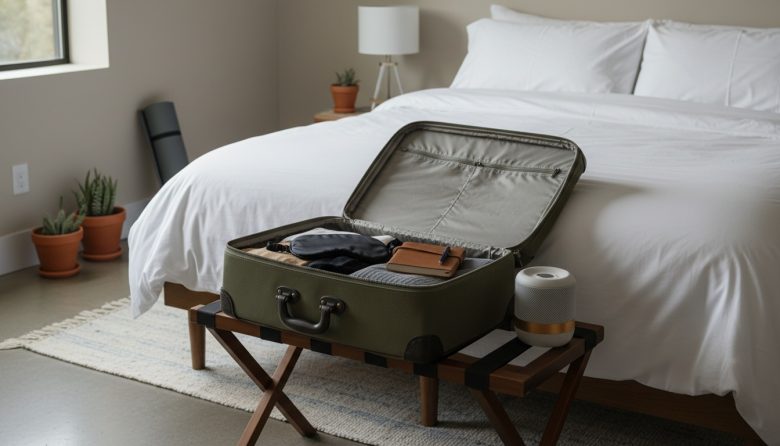
Picture this: I just landed in Tokyo after a 12-hour flight from New York. My body screamed for bedtime at noon local time, leaving me foggy through meetings and crashing at midnight. Jet lag hit hard, turning a dream trip into a zombie shuffle. But after tweaking my routine, the next long-haul to London left me waking refreshed, ready to explore by dawn.
Jet lag happens when your body’s internal clock clashes with new time zones, disrupting sleep cues like light and meals. The good news? A travel-friendly sleep routine resets that rhythm steadily. This simple four-pillar framework uses everyday cues for small wins, like feeling energized post-flight instead of drained.
We’ll cover pre-flight alignment, in-flight habits, day-one anchors, and a three-day chain. No extreme measures—just consistent tweaks that fit any trip. Pick one pillar and one cue to try for seven days, and watch your travel energy soar.
Unpack Your Body’s Travel Rhythm Reset
Your circadian rhythm runs on cues like sunlight, food timing, and rest signals. Crossing time zones throws it off—eastbound flights shorten your day, making mornings tough; westbound ones stretch it, delaying sleep. Think of it as your body needing gentle nudges back in sync.
Routines with built-in cues beat sheer willpower every time. For instance, a friend flying east for work used meal timing to shift her clock two hours ahead over days. She arrived alert, not aching for coffee. This framework leans on those reliable signals for sustainable rhythm resets.
Steady adjustments build momentum without overwhelm. As you read on, notice how each pillar stacks habits onto what you already do. Let’s dive into pre-flight prep to set the stage smoothly.
Pillar 1: Pre-Flight Alignment with Light and Meal Cues
Start three days before takeoff by shifting your schedule gradually. For eastbound trips, wake 45 minutes earlier each day; for westbound, stay up 45 minutes later. Pair this with morning light exposure—open curtains or step outside right after your alarm.
Anchor meals to your target zone. Eat breakfast at the new local dawn time, even if it’s early. Habit stack it onto your usual coffee routine: Sip while checking weather for your destination. This cues your body clock without big disruptions.
Cut evening friction by dimming screens and lights. Try how to dim lights gradually for better rest techniques, like using warmer bulbs. Time dinner consistently, avoiding heavy foods close to bed. These steps ease you into travel mode at home.
Real-life tweak: Sarah prepped for a Paris trip by linking her light walk to dog-feeding time. She slept through her first jet-lagged night there. Small cues like these make alignment feel natural and fun.
Pillar 2: In-Flight Cues to Mimic Destination Time
Boarding is your cue to switch clocks. Set your watch and phone to local arrival time immediately. Hydrate with timed sips every hour—bring a refillable bottle to fight dry cabin air.
Match sleep to the destination. If it’s bedtime there, slip on an eye mask and neck pillow stack right away. Avoid caffeine after “local morning” and skip screens to prevent blue-light interference. Soft music or a podcast on low volume can ease you in.
Before: Endless red-eye tossing, arriving groggy. After: I dozed four hours on a Sydney flight by following local cues, landing with steady energy for beach walks. Movement helps too—stretch hourly to boost circulation without overdoing it.
These in-flight habits bridge the gap seamlessly. They turn flight time into reset opportunity. Next, we’ll anchor that progress on landing.
| Habit | Home Routine Cue | Travel Adaptation | Daily Check |
|---|---|---|---|
| Wake with light | Open curtains post-alarm | Seek natural dawn on arrival | Did I see morning light? |
| Hydrate first thing | Glass by bedside | Timed sips every hour inflight | Water intake logged? |
| Consistent breakfast | Link to coffee ritual | Eat at local dawn time | Meal matched zone? |
| Avoid screens pre-bed | Phone in drawer | Eye mask after local bedtime | No scrolling tonight? |
| Evening wind-down | Herbal tea cue | Dim hotel lights ritual | Wind-down started? |
| Short stretch break | Post-meal walk | Hourly inflight moves | Moved every hour? |
| Log wake time | Bedside notebook | Note local wake-up | Time recorded? |
| Light dinner | Early family meal | Hotel room simple eats | Light meal before bed? |
Pillar 3: Day-One Landing Routine for Quick Anchor
Touch down and prioritize local dawn light. Step outside for a 10-minute walk, even if groggy—sunlight signals “wake up” powerfully. Follow with a light breakfast like fruit and yogurt at the new local time.
Limit naps to 20-30 minutes before 2 p.m. local to avoid night disruptions. Stack this onto unpacking: Splash water on your face as a refresh cue. A business traveler I know powered through a conference day this way, energy steady by evening.
Environment tweak: Face your hotel bed east or toward morning light. These anchors lock in rhythm fast. Building the three-day chain next sustains it.
Pillar 4: 3-Day Consistency Chain to Lock It In
Days two through four, repeat the same wake cue: Alarm plus light exposure at local dawn. Evenings, build a wind-down ritual—check out screen-free evening tips for easy bedtime to dim cues naturally.
Reduce friction in hotels: Prep your room like home—pillow for support, white noise app if noisy. Habit stack dinner early onto arrival check-in. Consistency here turns temporary fixes into lasting travel habits.
One reader chained three days post-Bali trip, noticing deeper sleep by day four. Small daily wins compound. Now, let’s tackle common hurdles.
Common Blockers and Friction-Free Fixes
Odd hotel lighting tricks your clock—solution: Blackout curtains or mask, plus a sunrise alarm clock app.
Tempting late dinners derail timing—cue: Pack protein snacks, eat light at “local dinner hour” before outings.
Phone scrolling spikes alertness—fix: Charger across the room, stack reading with tea ritual.
Erratic flight schedules—adapt with flexible hydration and light cues from the checklist.
Group travel mismatches—share one pillar, like morning walks, for mutual cues. These tweaks keep progress steady.
Track One Tiny Metric for Sustainable Wins
Log your wake-up time daily using a bedside note or app—see how to track sleep patterns with simple notes for easy setup. Note the time and how you feel in one word, like “clear” or “foggy.”
This tiny metric builds momentum without overwhelm. Over a week, patterns emerge, celebrating small wins like consistent 7 a.m. wakes. One traveler watched her entries shift from scattered to steady, boosting confidence.
Choose one habit from the pillars, pair it with a cue like light or a meal. Try for seven days on your next trip. Your refreshed self awaits.
Frequently Asked Questions
What if my flight lands at an awkward local time?
Adapt with flexible cues—prioritize light exposure matching the next dawn, even if it means a short outdoor walk upon arrival. Hydrate steadily and stick to local meal times from pillar one. This keeps your rhythm shifting without forcing sleep too soon, easing into steadiness over day one.
Can I still enjoy evening outings without derailing sleep?
Yes, stack a quick wind-down ritual right after—like herbal tea and dim lights within 30 minutes of returning. Cap alcohol and heavy foods, using the checklist’s light dinner cue. You’ll savor the night while protecting your reset for mornings ahead.
How do short trips change the routine?
Focus on pillars two and three for quick resets—in-flight cues and day-one anchors pack the biggest punch. Skip heavy pre-flight shifts if under three days away. Your body adapts faster to minor zone changes with these targeted habits.
What about kids or shared travel partners?
Pick shared cues like family morning light walks or group hydration challenges to build consistency together. Adjust nap limits for little ones while syncing meals. It turns travel into a team rhythm game, making small wins fun for everyone.
Is this routine safe for frequent flyers with health issues?
Start with your tiny metric and one pillar, consulting a doctor for personalized tweaks like nap lengths or hydration if you have conditions. Steady cues support without strain, and tracking spots what works best for your body over time.