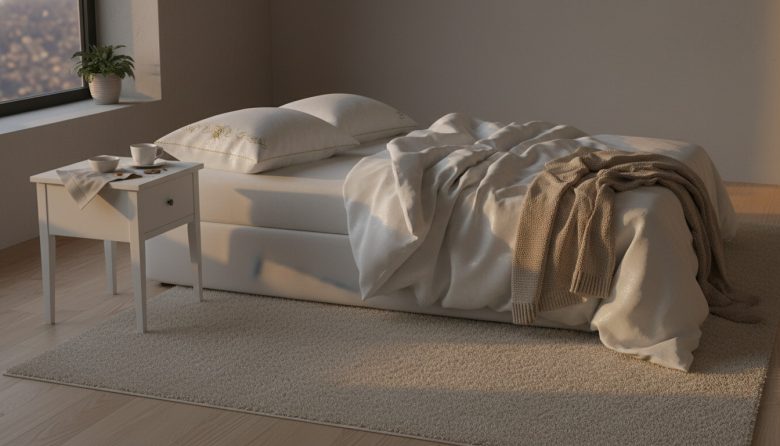
Remember that night you hit the pillow exhausted, only to stare at the ceiling until 2 AM? You avoided caffeine all day and skipped the nap, yet sleep wouldn’t come. These moments happen because sneaky evening habits quietly sabotage your rest, even when you think you’re doing everything right.
Your body relies on circadian cues to wind down and produce melatonin for deep sleep. Subtle blockers like late meals or screen light disrupt this rhythm without you noticing. Today, we’ll uncover the top five habits secretly ruining your sleep, plus simple swaps to reclaim those refreshing mornings.
We’ll explore each habit with real-life examples and fixes, then build a four-pillar framework for evenings that support steady rest. Small changes create cues for consistency, turning fitful nights into ones where you wake energized. Stick with me—your better sleep starts here.
Consistency in your wind-down turns restless nights into restorative ones.
Dinner Table Overload: How Late Heavy Meals Disrupt Your Nightly Reset
Eat a big pasta dinner at 9 PM after a long day, and your gut keeps working overtime while you try to sleep. This creates friction through indigestion and acid reflux, signaling your brain to stay alert. Your body needs time to digest before lying down for a proper reset.
Take Sarah, who loved her late-night comfort meals. She swapped heavy dinners for lighter options like grilled chicken salad around 7 PM. She added a cue: herbal tea after eating to signal wind-down.
Here’s a step-by-step fix. First, eat dinner by 7 PM with lean proteins and veggies. Habit stack by pairing it with a short walk to aid digestion. Before: tossing with heartburn; after: sliding into sleep smoothly within 20 minutes.
This tweak reduces gut-brain interference, letting melatonin flow freely. Your evenings feel calmer, and mornings brighter. Start small tonight for that first win.
Caffeine Creep: The Afternoon Buzz That Lingers into Midnight
That “harmless” 3 PM coffee feels energizing, but caffeine’s half-life means half still buzzes in your system at bedtime. It blocks adenosine, your natural sleep signal, leading to wired-but-tired nights. Many overlook how afternoon sips creep into evening rest.
Mike grabbed lattes mid-afternoon for focus, then wondered about his insomnia. He set a no-caffeine-after-noon rule, swapping for peppermint tea. An environment tweak helped: he hid the coffee maker in a cabinet.
Build this habit steadily. Track your last caffeinated drink and shift it earlier by 30 minutes weekly. Cue it with a water bottle refill post-lunch. Small win: Mike slept deeper after one week, waking without grogginess.
Clearer cues mean sustainable sleep gains. Your body thanks you with consistent energy. Try the swap tomorrow.
Bedroom Battlefield: Using Your Bed for Everything But Sleep
Working or watching TV in bed trains your brain that it’s a multi-task zone, not a sleep sanctuary. This confuses sleep cues, making relaxation harder when you finally turn off the lights. Your bed should signal rest alone.
Emily scrolled emails from bed nightly, blending work with wind-down. She reclaimed her bed for sleep and reading only, moving her laptop to the desk. A simple cue: pajamas as the “bed is for sleep” trigger.
Quick fix steps: Designate bed solely for sleep and intimacy. If not asleep in 20 minutes, get up and return when drowsy. Before: bed felt like a battlefield; after: instant calm cue upon entering.
This creates friction-free sleep onset. Steady progress follows as your brain rewires. Notice the shift soon.
Screen Glow Marathon: Evening Doomscrolling’s Hidden Melatonin Blocker
Phone in bed for “just one more video” bathes your eyes in blue light, suppressing melatonin for hours. Doomscrolling revs your mind, adding mental friction to physical light blocks. Even dim screens disrupt deeply.
Tom checked news until midnight, eyes wide. He charged his phone across the room at 8 PM, stacking with 10 minutes of paperback reading. Dim red nightlight became his cue.
Step-by-step: Set a screen curfew two hours pre-bed. Habit stack scrolling urges with audio books in low light. Progress note: Tom’s sleep deepened in days, dreams more vivid.
Fewer blockers mean natural drowsiness. Sustainable evenings build from here. Your rest improves steadily.
Wind-Down Whiplash: Skipping a Consistent Evening Routine
Random bedtimes from busy days throw off your circadian clock, like constant jet lag. Without cues, your body doesn’t anticipate rest, leading to prolonged wakefulness. Consistency anchors deep sleep cycles.
Lisa’s bedtime varied by hours weekly. She built a routine: 9 PM dim lights, journal, then bed by 10:30. Cues like tea and stretching signaled shutdown.
Create yours: Pick a bedtime window, backtrack one hour for wind-down. Example flow: 9 PM screens off, 9:30 stretch, 10 PM read. Ties to winter warm-up evening plan for cozy sleep by layering blankets early.
This framework reduces whiplash for steady rest. Small routines yield big refreshment. Your nights transform gently.
Your 4-Pillar Framework for Sleep-Supporting Evenings
These habits improve with a simple four-pillar structure. It builds cues and cuts friction for sustainable sleep. Apply it nightly for steady wins.
Pillar 1: Cue your calm at 8 PM with dim lights and soft music. Like the office day sleep prep routine for restful nights, this signals your body it’s time to unwind.
Pillar 2: Cut friction by prepping tomorrow’s clothes and lunch tonight. Reduces morning rush, easing into bed relaxed.
Pillar 3: Stack habits, such as a short walk plus journaling. Pairs movement with reflection for double calm.
Pillar 4: Anchor consistency with the same bedtime cue, like brushing teeth signaling lights out. Real-life: Alex used this after long weeks, similar to a weekend recovery sleep plan after long weeks, sleeping through by day three.
Ties back to our top five: lighter dinners cue calm, no screens cut friction. Start with one pillar tonight.
Common Blockers and Practical Fixes to Keep Your Routine Steady
Life throws curveballs at sleep routines. Here’s how to handle them without derailing progress.
- Stress spikes: Pause for a 5-minute breath cue—inhale four, hold four, exhale six.
- Weekend slip-ups: Keep one pillar steady, like dim lights, bridging to weekdays.
- Partner differences: Share a wind-down cue, like joint tea time, syncing rhythms.
Pick one fix at a time for small wins. Your routine strengthens gently. Momentum builds naturally.
| Don’t Do This (Ruining Habit) | Do This Instead | Why It Helps Your Rest |
|---|---|---|
| Late heavy meal at 9 PM | Light salad + herbal tea by 7 PM | Reduces reflux, eases digestion for melatonin flow |
| Afternoon coffee creep | Herbal tea post-noon | Clears caffeine half-life, allows adenosine buildup |
| Bed for work or TV | Bed for sleep only | Sharpens sleep cues, speeds relaxation |
| Evening screen doomscroll | Charger across room + reading | Blocks blue light, quiets mind for drowsiness |
| Random bedtimes | Fixed wind-down routine | Stabilizes circadian rhythm for deeper cycles |
This table summarizes quick swaps. Glance at it evenings for reminders. Steady application transforms sleep.
Your Tiny Metric: Track Bedtime Consistency
Log your bedtime nightly for 7 days using a phone note or bedside journal. Aim for ±15 minutes variation. This tiny track builds awareness and momentum without overwhelm.
Seeing the pattern motivates tweaks. Small consistencies compound into refreshing wakes. Celebrate each steady night.
Pick one habit from above, pair it with a simple cue like an 8 PM phone timer, and try for 7 days. Notice how you wake feeling more rested? That’s the power of steady changes—keep going for lasting refreshment.
Frequently Asked Questions
What if work keeps me up late some nights?
Shorten your wind-down to 20 minutes with deep breaths and dim lights. Cap any next-day nap at 20 minutes to avoid deeper disruption. Portable cues like earplugs maintain rhythm even on irregular evenings.
Can I still have coffee if I switch to decaf?
Decaf has trace caffeine, which can still linger for sensitive systems. Opt for fully herbal options like chamomile post-noon for zero friction. Your body adjusts quickly to the cleaner cue.
How do I fix my phone habit without feeling deprived?
Swap with audiobooks or podcasts in dim light, keeping hands free. Set charger across room as a physical cue. This stacks entertainment with sleep support seamlessly.
Travel throws off my routine—what now?
Pack portable cues: earplugs, eye mask, and a small journal. Anchor with the same bedtime breath routine regardless of location. Consistency travels with you for minimal jet lag.
When will I notice better sleep?
Steady tweaks show in 1-2 weeks as cues strengthen. Track energy upon waking for proof. Patience with small wins leads to sustainable depth.