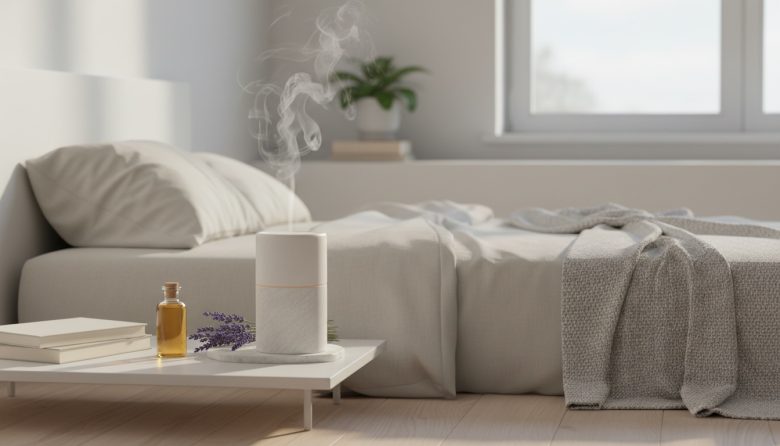
Picture this: it’s 11:30 p.m., and you’re tossing and turning after a long day. Your mind races with tomorrow’s to-do list while your phone screen glows in the dark. We’ve all been there, staring at the ceiling, wishing sleep would just arrive.
Scents offer a gentle, natural way to signal your brain it’s time to unwind. These simple aromas can cut your drift-off time and deepen rest without pills or screens. In this guide, we’ll explore a straightforward 4-step framework, a handy comparison table for routine options, common blockers with fixes, a tiny metric to track progress, and a fun 7-day challenge.
You don’t need a fancy setup—just small, consistent cues. Many folks notice calmer nights within days. Ready to make bedtime feel easier? Let’s dive in with real steps and stories.
The Gentle Science of Scents Signaling Sleepy Time
Your nose connects directly to the limbic system, the brain’s emotion and memory hub. When you inhale calming scents, they dial down cortisol—the stress hormone—and nudge up melatonin for sleep. Studies on lavender’s linalool show it slows heart rate and eases anxiety, much like a warm hug for your nervous system.
Take Sarah, a busy teacher who spritzed lavender on her pillow nightly. Her drift-off time dropped from 45 minutes to 15 in a week. She stacked it with dimming lights, creating a reliable wind-down cue.
This isn’t magic; it’s your body’s built-in response to familiar, soothing smells. Consistency builds the habit, turning scents into a frictionless sleep trigger. Pair it with notes from How to Track Sleep Patterns with Simple Notes for even clearer results.
Grounded in everyday use, these cues make rest sustainable. No big overhauls needed—just steady scents weaving into your routine.
Five Proven Scents That Quiet Your Mind for Bed
Start with scents backed by calm and tradition. Each one targets different unwind needs, making them easy to rotate or layer.
- Lavender: Calms nerves and quiets racing thoughts. Source pure essential oil from a trusted brand; dilute 2-3 drops in water for sprays. Safety note: Patch test first.
- Chamomile: Soothes digestion and eases tension. Great as tea or oil; habit stack with evening brush-up for a cozy cue.
- Cedarwood: Grounds your mind like forest air, reducing overthinking. Affordable at health stores; diffuse lightly to avoid overload.
- Vanilla: Triggers comfort from baking memories. Use extract or oil on wrists; stack with pajamas for instant relaxation.
- Sandalwood: Promotes deep muscle release. Opt for therapeutic grade; a drop on a cloth works wonders pre-bed.
These are versatile for beginners. Maria, a mom of two, added vanilla to her lotion routine. It cut her bedtime scroll by half, turning prep into a small win.
Choose based on mood—lavender for stress, vanilla for nostalgia. Keep bottles bedside to lower friction and build the cue.
Your 4-Step Framework to Weave Scents into Bedtime
This simple framework turns scents into a seamless habit. Follow these steps for steady progress without overwhelm.
- Pick one scent + cue: Choose lavender and dim lights as your signal. Spritz pillow when bulbs fade—easy anchor.
- Layer with breathwork: Inhale deeply for 4 counts, hold 4, exhale 6. Pairs scent with slow lungs for double calm.
- Anchor to existing routine: Tie to teeth brushing or PJs. Before/after: Chaotic scroll becomes scented breath ritual.
- Adjust based on feel: If too strong, dilute. Track what sticks for sustainable tweaks.
Before: Rushed bed, mind buzzing 30 minutes. After: Scent cue at 10 p.m., asleep by 10:20. Environment tweak: Bedside tray holds oil and notes.
For shift workers, blend with a Flexible Sleep Plan for Shift Workers Everywhere. It adapts scents around odd hours seamlessly.
Now, compare options in this table to match your life. Pick what fits low friction and high reward.
| Method | Setup Time | Cost Level | Sleep Boost | Best For |
|---|---|---|---|---|
| Diffuser | 5 minutes | Medium ($20-40) | High (steady aroma all night) | Consistent evening wind-down; auto-off models reduce fire worry |
| Pillow Spray | 1 minute | Low ($5-10) | Medium (quick cue) | Minimalists; spritz post-brush for instant habit stack |
| Bath Soak | 15 minutes | Low ($10 salts) | High (body-wide relax) | Early soakers; add drops to Epsom for muscle melt |
| Hand Lotion | 2 minutes | Low ($8) | Medium (lingering touch) | Touch lovers; rub in during book time, scent fades gently |
| Cotton Ball Hack | 30 seconds | Very Low (oil + ball) | Medium (subtle diffusion) | Budget starters; tuck near pillow, swap daily for freshness |
Use the table to start small. Notice how setup time matches busy nights.
Common Blockers to Scented Sleep and Quick Fixes
Scent overload hits when aromas feel too intense. Fix: Dilute with carrier oil or water, start with one drop.
Allergies or sensitivity? Patch test on arm 24 hours prior. Opt for hypoallergenic brands if needed.
Forgetting the cue? Set a phone alarm labeled “Scent Wind-Down.” Place bottle on sink for visual nudge.
Partner not on board? Use personal methods like lotion or cotton ball away from shared air. Environment tweak: Ventilate room first.
These fixes keep momentum without shame. Small adjustments build consistency over time.
One Tiny Metric to Track Your Scented Sleep Progress
Log “minutes to drift-off” each night. Use a bedside note app or paper— jot at lights out and upon waking.
Week one might show 25 minutes; by week three, 12. Steady drops signal your cue works.
Visualize with a simple chart: Date vs. minutes. Ties scents to real small wins. Enhance with How to Track Sleep Patterns with Simple Notes for patterns.
This metric feels achievable, fueling habit stickiness without pressure.
Start Small Tonight: Pick One Scent Habit + Cue for 7 Days
From the table, grab pillow spray and pair with lights dim cue. Try for 7 days—note your tiny metric nightly.
Expect calmer drifts and fresher mornings. Share your wins below; small changes add up fun.
Especially during busy seasons, weave in a Holiday Season Sleep Routine to Stay Energized. Scents keep you steady.
You’ve got this—one spritz closer to easy sleep.
Frequently Asked Questions
Can scents replace my sleep meds?
No, scents complement but don’t replace medications. They ease mild issues gently. Always consult your doctor before changes, especially with prescriptions.
What if my partner hates strong smells?
Go for low-diffusion options like lotion or cotton ball. Apply to your side only, or use unscented for them. Test milder scents together for compromise.
Are essential oils safe for pets?
Not all are—avoid tea tree or eucalyptus around cats and dogs. Stick to pet-safe like lavender diluted heavily. Check with your vet and ventilate well.
How long until I notice faster sleep?
Most see shifts in 1-2 weeks with daily use. Consistency cues your brain faster. Track your metric to spot personal timeline.
Which scent for stress-related insomnia?
Start with lavender for proven calm. Layer cedarwood if thoughts race. Experiment one at a time for what quiets your unique stress.