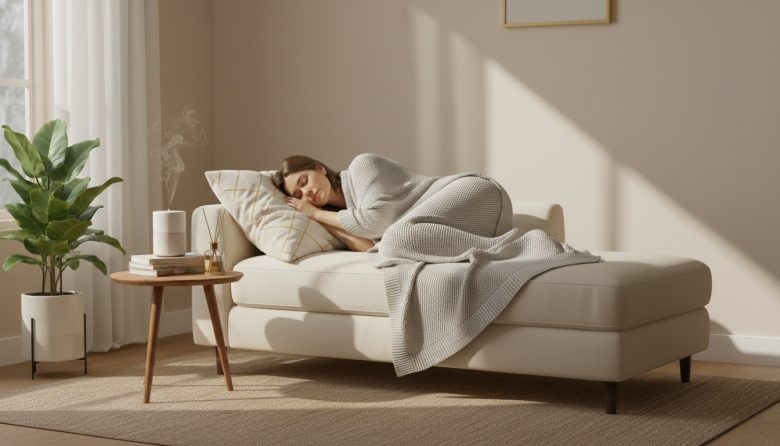
Picture this: You’re a busy parent juggling work calls, school pickups, and dinner prep. By 2 p.m., your eyes feel heavy, focus fades, and that mid-afternoon slump hits hard. You’ve tried coffee, but it leaves you jittery. What if a quick 20-minute nap could reset your energy without the crash?
Short naps are a sustainable energy hack, tapping into your body’s natural rhythm for steady alertness. They boost mood, sharpen memory, and cut fatigue—backed by studies showing even 10 minutes restores focus. No need for long siestas that mess with nighttime sleep. This guide shares simple steps to weave them into your day.
Take Sarah, a teacher who felt drained after lunch. Before naps, she’d push through with sugar highs, crashing by evening. After adding a 15-minute power nap, her afternoons flowed: more patience with kids, clearer lesson plans. Small wins like hers build consistency. Ready to unlock yours? Let’s start with the science, then spot your nap window.
Unlock Steady Energy: The Science of Short Naps Explained
Our sleep cycles through stages, with light sleep in the first 20-30 minutes delivering the biggest refresh. Longer naps risk deep sleep, causing grogginess called sleep inertia. Short ones avoid that, hitting just the sweet spot for alertness.
Research from NASA shows pilots napping 26 minutes improved performance by 34%. Think of it like recharging your phone—quick top-ups keep you running smooth. Pre-nap, you might zone out on tasks; post-nap, ideas flow and decisions sharpen.
Meet Alex, who napped 10 minutes mid-morning. Before, he’d battle brain fog during meetings. Now, he tackles reports with ease. This isn’t theory—it’s everyday progress through small, science-backed routines.
Spot Your Perfect Nap Window Amid Daily Routines
Your circadian rhythm dips naturally around 1-3 p.m., when adenosine (sleep pressure) builds. Watch for yawns, heavy eyelids, or slower thinking—these cue your window. Avoid late afternoons to protect night sleep.
Habit stack with meals: Post-lunch signals a 20-minute break. Or tie to routines like finishing emails. Tweak for your day:
- Morning worker? Mid-morning micro-nap after coffee.
- Parent? During kids’ quiet playtime.
- Office dweller? Step away post-meeting.
Start logging dips for a week to personalize. This builds cues for consistency, turning slumps into energy boosts.
Compare Nap Routines to Match Your Lifestyle
Choosing a nap style fits your schedule like a glove. Use this table as a quick decision tool—scan columns, pick what aligns, and test it out.
| Nap Style | Duration | Ideal Time | Energy Benefits | Beginner Tip |
|---|---|---|---|---|
| Coffee Nap | 20 min | Post-meal (1-2 p.m.) | Quick alertness boost | Pair with small caffeine dose |
| Micro-Nap | 10 min | Mid-morning (10-11 a.m.) | Gentle refresh | Set phone alarm cue |
| Power Nap | 20-30 min | Early afternoon (1-3 p.m.) | Sustained focus | Dim lights for environment tweak |
| Chair Nap | 15 min | Post-lunch break | Mood lift without deep sleep | Recline in quiet spot |
| Proactive Nap | 10-20 min | Before expected slump (noon) | Prevents fatigue buildup | Habit stack with walk |
Notice how each suits different cues? Beginners, grab the Micro-Nap for low friction. Pick one today—your steady energy starts here.
Design a Friction-Free Nap Spot at Home or Work
Lower barriers with a dedicated spot. Start with dim lighting—pull shades or use an eye mask. Comfort comes from a cozy chair or couch, not your bed to avoid sleep confusion.
Noise? Earplugs or white noise apps block distractions. Add a blanket for warmth. Before: Sarah’s kitchen table felt chaotic. After: A corner armchair with mask became her cue—naps flowed easy.
When considering how to create a calming bedroom sleep space, apply similar tweaks here, like soft fabrics. At work, a parked car or empty conference room works. Test setups for your routine; small environment changes build habit momentum.
Pro tip: Place a pillow there daily as a visual cue. Friction drops, consistency rises.
Follow This 4-Step Framework to Build Nap Consistency
This simple framework turns naps into routines. Follow these pillars for sustainable wins.
- Choose your routine. Pick from the table, like Power Nap post-lunch.
- Set a cue. Alarm at 1:30 p.m. or finish yogurt as trigger. Consistency loves anchors.
- Nap + wake ritual. Lie down, breathe deep 4-7-8 (in 4, hold 7, out 8). Wake with stretch and water sip—resets gently.
- Reflect quickly. Note energy shift in one sentence. Builds awareness for tweaks.
Alex stacked step 2 with his coffee break—naps became automatic. Start small; one week stacks these into flow. Steady progress, no overwhelm.
Tackle Common Blockers to Napping with Easy Fixes
Time crunch? Shrink to 10 minutes—still refreshes. Can’t fall asleep? Lie still for rest; benefits come anyway.
Evening interference? Cap at 3 p.m. and try quick tips to cool down for faster sleep later. Guilt about “laziness”? Reframe as fuel for better output.
- Blocker: Noisy space. Earplugs fixed Maria’s office naps; she gained afternoon clarity.
- Blocker: Oversleeping. Strict alarm + auto-snooze off kept Tom grogginess-free.
- Blocker: Irregular schedule. Float window by 30 minutes; flexibility sustains habits.
- Blocker: Partner skepticism. Share science story—now they nap together.
These fixes turn “but” into “and.” Spot your blocker, apply one today.
Measure Wins with One Tiny Energy Metric
Track post-nap energy on a 1-10 scale, once daily in your phone notes. Log time, nap length, and score—like “2:15 p.m., 20 min, 7/10.”
Why it works: Spots patterns, celebrates small wins (e.g., average up 2 points week two). Builds momentum without hassle.
Tie to winter warm-up evening plan for cozy sleep by noting night rest too. Simple logs make progress visible.
Pick one routine from the table and one cue, like an alarm. Try for 7 days—watch energy steady up. You’ve got this; small changes spark big days.
Frequently Asked Questions
Can short naps replace a full night’s sleep?
No, they supplement it beautifully. Short naps boost daytime energy sustainably, but aim for 7-9 hours nightly. Use them as a cue to refine bedtime routines for full recovery.
What if I can’t fall asleep during my nap window?
That’s common—resting eyes still reduces fatigue. Use relaxation cues like deep breathing or progressive muscle relax. Keep it short to avoid pressure; benefits build with consistency.
Will napping make me groggy?
Not if you stick to 20-30 minutes with an alarm cue. Wake rituals like splashing water prevent inertia. Test durations in your log to dial it perfect.
Is napping okay for night shift workers?
Yes, shift windows to your personal dips, like pre-shift. Track with the tiny metric to adapt. Pair with consistent sleep blocks for best results.
How soon will I notice more energy?
Often by day 3-7 with steady cues. Early wins motivate; if slower, tweak spot or time. Patience yields sustainable flow.