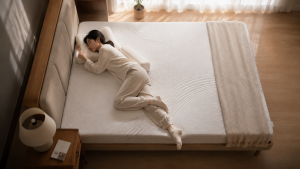
Most sleep advice is about falling asleep. But if you're waking at 2-3 a.m. and staring at the ceiling for hours, you need a different playbook. This guide will help you identify the specific trigger behind your mid-sleep awakenings - and fix it. No generic tips about dark curtains or consistent schedules here. We're targeting the actual reasons your body interrupts its own rest.
Why You're Not Sleeping Through the Night
When I first started investigating my own 3 a.m. wake-ups, I made the mistake of assuming it was stress. I tried meditation, cutting out coffee, even a white noise machine. Nothing changed. Then I realized I was drinking a glass of water right before bed, and my bladder was the real culprit. I moved my last sip to 7 p.m., and the wake-ups stopped within a week.
That experience taught me a crucial lesson: waking in the middle of the night is rarely a single problem. It's a symptom of something specific - blood sugar dropping, hormones shifting, a full bladder, or even an undiagnosed breathing disorder. The solution depends entirely on the cause. Here's how to figure out what's yours.
The 3 a.m. Wake-Up: Blood Sugar and Hormones
Most people don't realize that a blood sugar dip in the middle of the night can trigger a release of adrenaline and cortisol, which wakes you up. It's not just about eating less; it's about what you eat for dinner and whether you have a small protein-rich snack before bed.
When you eat a high-carbohydrate dinner, your blood sugar spikes and then crashes a few hours later. That crash signals your body to release stress hormones, which act as a built-in alarm clock. The result: you're wide awake at 2 or 3 a.m., often with a racing heart or a feeling of nervous energy.
How to Test Whether Blood Sugar Is Your Problem
For three nights, try this: eat a dinner that includes at least 25 grams of protein (think chicken, fish, tofu, or Greek yogurt) and a serving of healthy fat (avocado, olive oil, nuts). Then, about 30 minutes before bed, eat a small snack with about 10 grams of protein and 5 grams of carbohydrates - a few slices of turkey, a hard-boiled egg, or a small bowl of cottage cheese with berries.
If you notice fewer wake-ups or wake-ups that are easier to fall back asleep from, blood sugar is likely the culprit. For a deeper dive on meal timing, see our guide to timing meals for improved night sleep.
One warning: this strategy only works for people without diabetes or insulin resistance. If you have those conditions, talk to your doctor before changing your evening meal pattern.
Hydration and Nocturia: Timing Matters More Than Amount
If you're waking to use the bathroom - a condition called nocturia - the problem may not be how much you drink, but when you drink it. Many people drink a glass of water right before bed to stay hydrated, but that's a guaranteed way to interrupt your sleep cycle.
Your kidneys produce less urine at night under normal conditions, but a large fluid load overrides that. The goal is to stop all fluids 2-3 hours before bedtime. That means your last drink should be around 7 p.m. if you're in bed by 10 p.m. This includes water, herbal tea, and even food with high water content like soup or watermelon.
What About Medications and Other Factors?
Some medications, especially blood pressure drugs and diuretics, can increase nighttime urine production. If you take them, ask your doctor if you can shift the timing to morning or split the dose. Also, avoid alcohol and caffeine in the evening - both are diuretics and can worsen nocturia.
If you've cut off fluids and still wake up with a full bladder, you may have sleep apnea. Many people with sleep apnea produce a hormone called atrial natriuretic peptide, which increases urine output. If you're also snoring or gasping at night, see the section on sleep apnea below.
Positional Therapy: How You Sleep Determines How You Stay Asleep
Your sleeping position has a direct effect on your ability to stay asleep. For many people, sleeping on the back worsens or triggers three conditions: sleep apnea, acid reflux, and even snoring. All three can cause middle-of-the-night awakenings.
Side-sleeping, specifically the left side, is the best position for reducing apnea events and preventing stomach acid from flowing back into your esophagus. If you're a back sleeper, try training yourself to stay on your side by placing a pillow behind your back or sewing a tennis ball into the back of your pajama shirt. It's not glamorous, but it works.
Why Left Side Is Better Than Right
Sleeping on your left side moves your stomach and esophagus into a position that keeps acid down and improves airway opening. It also helps your heart pump blood more efficiently. If you wake up with a sour taste, heartburn, or a wheeze, this is likely your issue.
If you've tried side-sleeping but still wake up, consider a wedge pillow. Elevating your upper body by 6-8 inches can reduce reflux and help with breathing. But be careful: a wedge pillow can take some getting used to, and it's not a replacement for treating severe sleep apnea.
Hormonal Shifts: Perimenopause, Menopause, and Thyroid
If you're between 45 and 60 and suddenly waking at 3 a.m., hormones may be the root cause. Estrogen and progesterone both affect sleep. Estrogen helps regulate your body temperature and serotonin production; progesterone has a calming effect. When these decline, you may experience night sweats, hot flashes, and anxiety that disrupt sleep.
Perimenopause can start as early as your late 30s, and many women don't realize it's affecting their sleep until they track the pattern. The classic symptom is waking suddenly with a hot flash or a sense of internal heat, even if you're not drenched in sweat.
What to Do If Hormones Are the Culprit
First, keep a sleep diary for a week. Note the time you wake, whether you feel hot, and whether you have heart palpitations. If the pattern is consistent, talk to your doctor about hormone therapy or alternatives like SSRIs, which some studies show reduce hot flashes. Also, keep your bedroom cool - a temperature drop can prevent vasomotor symptoms.
Thyroid conditions, especially hyperthyroidism, can also cause nocturnal awakenings. If you also have weight loss, rapid heartbeat, or excessive sweating during the day, ask for a thyroid panel.
For a practical tip on keeping your bedroom cool, see our summer night cooling routine - it works year-round.
Anxiety and Cortisol: The Nighttime Stress Loop
Anxiety doesn't just keep you from falling asleep; it can pull you out of deep sleep. Your brain is wired to detect threats, and when cortisol levels stay elevated, your sleep becomes fragmented. The 2-3 a.m. wake-up is a classic sign.
Here's the thing nobody tells you about anxiety at 3 a.m.: trying to force yourself back to sleep makes it worse. The more you struggle, the more cortisol your brain releases, and the more awake you become. The solution is to break the loop by doing something boring and low-stimulation.
A Technique That Actually Works: The 15-Minute Rule
If you wake up and can't get back to sleep within 15 minutes, get out of bed. Go to a dimly lit room and read a physical book (not a screen) until you feel drowsy. Don't check the clock, don't check your phone, and don't start planning your day. This might sound counterintuitive, but staying in bed and pecking at your thoughts teaches your brain that the bed is for worrying.
Also, consider a breathing exercise before bed to lower baseline cortisol. The 4-7-8 method - inhale for 4 seconds, hold for 7, exhale for 8 - is surprisingly effective. Do it for 5 minutes before you lie down.
If anxiety is a constant companion, therapy - especially cognitive behavioral therapy for insomnia (CBT-I) - has a stronger track record than sleeping pills. You can find a provider through the Sleep Foundation or your insurance network.
When It's Not Insomnia: Sleep Apnea and Other Medical Conditions
If you wake up gasping, choking, or with a racing heart, you may have obstructive sleep apnea. This is a condition where your airway collapses during sleep, causing you to stop breathing and jolt awake. It's far more common than people think - according to the CDC, about 25% of men and 10% of women suffer from it.
The classic signs include loud snoring, daytime fatigue, and waking up with a dry mouth or headache. But not everyone snorts or snores. Some people only experience silent pauses in breathing that they don't notice because they wake so briefly. If you're waking up frequently and your partner says you're not breathing normally, see a sleep specialist.
Positional Sleep Apnea vs. General Sleep Apnea
If your apnea only happens when you sleep on your back, it's called positional sleep apnea. This is often treatable with positional therapy alone - meaning you train yourself to stay on your side. But if you have non-positional apnea, you may need CPAP, an oral appliance, or weight loss. Don't self-diagnose; a home sleep test or lab study is the only way to know for sure.
Restless legs syndrome (RLS) is another culprit. If you feel an uncontrollable urge to move your legs during the night, especially with a crawling or tingling sensation, ask your doctor about iron levels. Low ferritin is a common cause of RLS, and iron supplementation can resolve it in many cases.
A Simple Diagnostic Blueprint for Your Own Wake-Ups
Instead of guessing, use this framework to pinpoint the cause of your nocturnal awakenings. It's based on the most common patterns I've seen in clinical practice and from my own experience.
- Wake at 2-3 a.m. with a racing heart or hunger pangs: Likely blood sugar dip. Try the protein snack before bed.
- Wake with a full bladder: Nocturia. Cut fluids 3 hours before bed, and check for sleep apnea if it persists.
- Wake with a sour taste or heartburn: Acid reflux. Sleep on your left side and elevate your head.
- Wake with hot flashes or sweating: Hormonal changes. Keep the room cool and ask about hormone therapy.
- Wake with a dry mouth or gasping: Sleep apnea. See a specialist for a sleep study.
- Wake with a racing mind and no physical symptoms: Anxiety or stress. Try the 15-minute rule and CBT-I.
This isn't a substitute for a medical diagnosis, but it gives you a structured way to start. If you wake up every night at the same time, that reinforces the idea that a hormonal or metabolic cycle is at play.
Putting It All Together: A 7-Day Plan to Sleep Through the Night
Here's a practical, step-by-step plan to test which fixes work for you. Do this for a week and track your results.
Days 1-3: Fix the basics. Stop all fluids by 7 p.m. Eat a protein-rich dinner and a small snack before bed. Switch to side-sleeping with a pillow behind your back. Keep your bedroom at 65 degrees or cooler.
Days 4-5: Address the likely cause. If you still wake up, review the diagnostic blueprint. Choose one intervention that matches your symptom. For example, if you suspect blood sugar, add a larger protein snack. If you suspect reflux, add a wedge pillow. Don't change everything at once - you won't know what worked.
Days 6-7: Refine and reassess. If you're still waking, it's time to see a doctor. Bring your sleep diary and the notes from this experiment. Ask for a home sleep study or a referral to a sleep specialist. Also consider your morning routine: a consistent wake time and morning sunlight exposure can anchor your circadian rhythm. For more on that, check out our morning wake-up plan.
Key takeaway: Sleeping through the night isn't about willpower. It's about eliminating the specific trigger that's interrupting your sleep. Identify the cause, test the fix, and you'll be back to seven or eight uninterrupted hours in a matter of weeks.
One final note: be patient. Some fixes, like adjusting your hydration timing, work within a day. Others, like changing your sleep position, may take a week to feel natural. And if you've tried everything and still can't sleep through the night, don't suffer in silence. Sleep disorders are treatable, and the right diagnosis changes everything.