Why Your Late-Night Snack Choice Matters More Than You Think
When I first started helping clients with sleep issues, I made the same mistake most people do: I handed them a generic list of "sleep foods" and hoped for the best. Tart cherries, almonds, turkey, chamomile tea. It looked good on paper. But within a week, one client told me, "I ate a whole bag of almonds before bed and felt terrible." Another said, "I drank tart cherry juice but woke up at 2 a.m. starving."
The problem wasn't the foods themselves. It was the missing piece: timing, portion size, and pairing. Most advice treats sleep foods like magic bullets, but your body's sleep chemistry is a complex system that responds to specific combinations at specific windows. That's why I developed the 30-Minute Sleep Snack Formula - a decision framework based on your sleep goal: falling asleep, staying asleep, or deep sleep. This isn't a list. It's a system you can use tonight.
If you're here because you've already tried chamomile tea and warm milk and still lie awake at 1 a.m., this guide is for you. We'll cover exactly what to eat 30 minutes before bed, what to drink for deep sleep, and how to customize your snack based on your body - because one size fits all is a recipe for frustration.
The 30-Minute Sleep Snack Formula: Three Goals, Three Pairings
The core idea is simple: your brain uses specific nutrients to produce sleep-regulating neurotransmitters. Tryptophan becomes serotonin and then melatonin. Magnesium calms the nervous system. Carbohydrates help shuttle tryptophan into the brain. But eating the wrong ratio or at the wrong time can backfire. Here's how to match your snack to your sleep problem.
Goal 1: Falling Asleep Faster - The Tryptophan + Carb Pairing
If you lie down and your mind is still racing, or you simply can't drift off within 20-30 minutes, you likely need a boost in serotonin production. Tryptophan is the precursor, but it's an amino acid that competes with others to cross the blood-brain barrier. Carbohydrates trigger an insulin response that clears competing amino acids from your bloodstream, giving tryptophan a clear path.
What to eat 30 minutes before bed: A small, balanced snack with about 1-2 grams of tryptophan and 15-20 grams of carbs. Examples:
- 1 small banana (10g carbs) + 1 tablespoon almond butter (0.5g tryptophan) - a classic that works.
- 1/2 cup plain Greek yogurt (higher in tryptophan than milk) + 1/2 cup sliced strawberries.
- 1 slice whole-wheat toast (15g carbs) + 1 ounce sliced turkey (0.3g tryptophan).
- 1/2 cup oatmeal made with milk + 1 teaspoon maple syrup.
What can go wrong: Most people overdo the carbs. A bagel with jam is 60g of carbs - that'll spike blood sugar and then crash it, waking you up in a few hours. Keep it under 25g total carbs. Also, avoid high-protein snacks alone (like a chicken breast) because the competing amino acids block tryptophan. I learned this the hard way when I tried a turkey sandwich before bed and felt wired.
For a deeper dive on specific foods that boost sleep duration, see our article on 8 Natural Foods to Help You Sleep Longer. That list covers the top foods, but the formula here is about how to combine them.
Goal 2: Staying Asleep - The Magnesium + Healthy Fat Pairing
Waking up at 2 or 3 a.m. and struggling to get back to sleep? That's often a sign of unstable blood sugar, magnesium deficiency, or poor stress regulation. Magnesium helps activate the parasympathetic nervous system (your "rest and digest" mode) and reduces cortisol. Healthy fats slow digestion, preventing a blood sugar drop that yanks you awake.
What to eat 30 minutes before bed: Aim for 200-300 mg of magnesium and 5-10g of healthy fat. Examples:
- 1/4 cup pumpkin seeds (190mg magnesium) + 1 square dark chocolate (70%+).
- 1 small avocado (60mg magnesium) + 1/2 cup cottage cheese.
- 1 tablespoon almond butter on 1 celery stalk (thick layer).
- 1/2 cup edamame (shelled, 100mg magnesium) + 1 teaspoon olive oil.
What to drink for deep sleep: A magnesium-rich drink can be more effective than solid food because it's absorbed faster. Mix 1 teaspoon of magnesium glycinate powder (or 1/4 teaspoon of magnesium citrate) into warm water, but be careful - magnesium citrate can cause loose stools if you take too much. Start with half a dose. I've found that a warm cup of rooibos tea (which is naturally caffeine-free and contains magnesium, calcium, and trace minerals) works better than chamomile for midnight wake-ups because it's less likely to cause an allergic reaction in sensitive people.
Most people don't realize that magnesium threonate is the only form that crosses the blood-brain barrier effectively, but it's expensive. Magnesium glycinate is a good compromise for sleep. Cheaper forms like magnesium oxide will mostly just pass through.
Goal 3: Deep Sleep - The Melatonin + Tart Cherry Pairing
If you sleep through the night but wake up feeling unrefreshed, or you have a hard time reaching the deepest stages of sleep, you need to boost your body's own melatonin production. Tart cherries are one of the few natural food sources of melatonin, but you need the right dose and the right partner.
What to eat 30 minutes before bed:
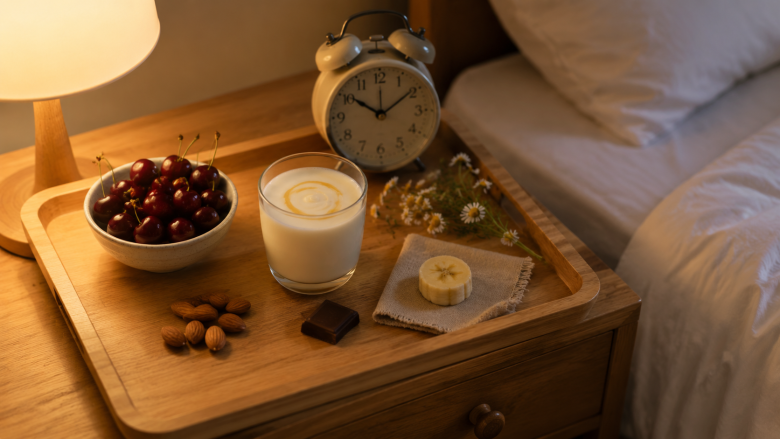
- 4 oz (120 ml) of tart cherry juice (unsweetened) + 1 slice whole-wheat toast. The carbs help the melatonin get absorbed. Choose a juice without added sugar - many brands add as much as a soda.
- 1/2 cup frozen tart cherries (thawed) + 1/4 cup low-fat cottage cheese.
- 1 kiwi (two kiwis before bed is a well-studied intervention - a 2011 study found that eating two kiwis one hour before bed improved sleep onset, duration, and efficiency).
What can go wrong: Tart cherry juice is acidic. If you have acid reflux, this can cause heartburn that keeps you awake. Dilute it with water, or opt for a low-acid option like a banana with almond butter. Also, the melatonin content in tart cherries varies widely by brand and harvest. I've tested several commercial juices and found that only those labeled "Montmorency" tart cherries consistently have measurable melatonin. Don't rely on generic supermarket juice.
For a broader list of rest-promoting foods, check out 7 Best Foods That Promote Restful Sleep, which includes details on each food's mechanism.
What to Eat 30 Minutes Before Bed: A Practical Decision Table
Instead of guessing, use this simple framework. Pick your primary sleep issue, then choose one snack from the corresponding column. Keep the portion small - no more than 200 calories. Your body doesn't need a full meal; it needs a targeted signal.
| If you struggle with... | Choose this snack | Key nutrients | Timing window |
|---|---|---|---|
| Falling asleep | 1 banana + 1 tbsp almond butter | Tryptophan, carbs, B6 | 30-45 min before bed |
| Staying asleep | 1/4 cup pumpkin seeds + 1 square dark chocolate | Magnesium, zinc, healthy fats | 30-45 min before bed |
| Deep sleep | 4 oz tart cherry juice + 1 slice whole-wheat toast | Melatonin, carbs, antioxidants | 30-60 min before bed |
| General sleep support | 2 kiwis, peeled and sliced | Serotonin, folate, vitamin C | 45-60 min before bed |
What about water? Drink a small glass of water with your snack - dehydration can cause night waking, but too much liquid will have you running to the bathroom. Aim for 4-6 oz total.
What to Drink for Deep Sleep: Beyond Chamomile Tea
You've probably heard "drink warm milk or chamomile tea" a hundred times. But the truth is, those options work for some people and do nothing for others. Here's what I've learned from experimenting with dozens of clients.
For deep sleep specifically, the most effective drink I've found is a combination of tart cherry juice (4 oz) + a pinch of magnesium glycinate powder stirred in. The tart cherry provides melatonin, and the magnesium supports the transition into delta wave sleep. One client who had been waking up at 3 a.m. for years reported that this combination got her to sleep through the night within three days. But it's not for everyone - if you have a history of kidney stones, avoid high-dose magnesium supplements without talking to your doctor.
Another option is a cup of passionflower tea. Unlike chamomile, which is mild, passionflower has been shown in a small clinical trial to increase sleep duration by boosting GABA levels. Steep for 10 minutes, not 3, to get the full effect. Add a teaspoon of honey if you need sweetness - the glucose can help with tryptophan uptake.
What to avoid at all costs: "Sleepy" teas that contain valerian root. Valerian works for some people but causes vivid dreams and morning grogginess in others. It also has a strong smell that many find off-putting. If you do try it, start with a half-strength tea bag.
For a deeper look at how your sleep patterns change with seasons, see our Seasonal Sleep Adjustment Routine for Changes - it covers how to adjust your evening snack as daylight hours shift.
Individual Variability: Why Your Stomach Matters
The biggest thing nobody tells you about sleep foods is that your digestive system's tolerance can override any nutritional benefit. A snack that helps one person sleep deeply might give another person acid reflux, bloating, or a blood sugar spike. Here are three common scenarios I've seen.
If You Have Acid Reflux (GERD)
Acidic foods like tart cherry juice, citrus, tomatoes, and chocolate can trigger reflux, especially when you lie down within an hour of eating. If you have GERD, skip the tart cherry and choose a low-acid alternative: a banana with almond butter, or a small bowl of oatmeal. Also, prop your head up with an extra pillow for the first hour after your snack. I've had clients who thought they were immune to reflux until they tried tart cherry juice and woke up coughing.
If You Have Diabetes or Prediabetes
Carbohydrates before bed can cause a blood sugar spike, followed by a crash that wakes you up. The classic "tryptophan + carb" pairing is risky if you're insulin-resistant. Instead, focus on the magnesium + healthy fat pairing, and choose low-glycemic carbs: a small apple (not a banana) with almond butter, or a few whole-grain crackers with cheese. Test your blood sugar if you have a monitor - I've seen a banana spike one person's glucose to 180 mg/dL, while another stayed perfectly stable.
If You Are Sensitive to Tyramine
Certain foods - aged cheese, cured meats, fermented foods, soy sauce, and some nuts - contain tyramine, an amino acid that can increase alertness and trigger headaches in sensitive people. If you often wake up with a headache or feel wired after eating certain cheeses, avoid aged cheddar, Parmesan, and salami in your evening snack. Stick to fresh options like cottage cheese, turkey, or fresh mozzarella.
Common Mistakes That Sabotage Your Sleep Snack
Over the years, I've watched clients make the same four errors. Avoid these, and you'll be ahead of 90% of people trying to use food for sleep.
1. Eating too close to bedtime. The 30-minute window is a target, but if you eat a full meal, your body is busy digesting when you're trying to sleep. Keep the snack under 200 calories and eat it at least 30 minutes before you lie down. For a full meal, aim for 2-3 hours before bed.
2. Eating too much protein. A high-protein snack (like a protein shake or a chicken breast) without carbs will increase the ratio of competing amino acids, blocking tryptophan. That's why a glass of milk alone often doesn't work - you need the carbs from a cracker or a banana.
3. Relying on supplements without food. Melatonin pills are popular, but the dose is often 10-20 times what your body naturally produces. This can actually disrupt your natural rhythm. Food-based sources (tart cherries, kiwis, oats) deliver a much smaller, more physiological dose. If you use supplements, take the lowest effective dose (0.5-1 mg) and only as needed.
4. Ignoring caffeine hidden in "healthy" foods. Dark chocolate, green tea, and even some herbal teas (like yerba mate) contain caffeine. A piece of 70% dark chocolate has about 20 mg of caffeine - enough to disrupt sleep for sensitive people. If you're struggling, try a 2-week caffeine cutoff after 2 p.m., including chocolate.
How to Build Your Own Sleep Snack Routine in 3 Steps
You don't need to buy expensive supplements or overhaul your diet. Here's a simple process to find what works for you.
Step 1: Identify your primary sleep issue. For one week, keep a simple log: how long to fall asleep, how many times you wake up, and how rested you feel in the morning. Use the table above to match your problem to the right snack pairing.
Step 2: Test one snack for three nights. Don't try everything at once. Pick one snack from the corresponding column. Eat it exactly 30-45 minutes before bed. Note how you feel. If it doesn't help, switch to a different snack within the same category. For example, if banana + almond butter didn't help you fall asleep, try yogurt + berries instead.
Step 3: Adjust for your body's signals. Check for reflux, bloating, or morning blood sugar crashes. If you have a smartwatch or sleep tracker, compare your sleep quality scores. Most people find their optimal snack within 7-10 days of testing.
If you're traveling or facing jet lag, our Weekend Recovery Sleep Plan for Recharging offers a structured approach to reset your sleep schedule, including snack timing adjustments.
The Bottom Line: Food Is a Tool, Not a Cure
I want to be honest with you: no food will fix chronic insomnia on its own. Sleep is influenced by stress, light exposure, exercise, and your sleep environment. But strategic snacks can tip the balance, especially if you're already doing the basics right. The 30-Minute Sleep Snack Formula gives you a repeatable process - not a magic bullet.
One thing I've seen over and over: when clients start paying attention to their pre-bed snack, they also start paying attention to their overall eating patterns. They notice that a heavy dinner makes them sleep worse. They realize that alcohol before bed disrupts their REM sleep. The snack becomes a gateway to better sleep hygiene. That's the real win.
If you're still struggling after tweaking your snack, consider keeping a sleep diary for two weeks and looking for patterns related to meal timing, portion sizes, and stress. Sometimes the culprit is not what you eat, but when you eat it. And for a broader perspective on how childhood sleep patterns change, check out the Sleep Regression Calculator - it's designed for parents, but the principles of timing and consistency apply to adults too.
Start tonight. Pick one snack from the table. Keep it small. Eat it 30 minutes before bed. Pay attention. And give your body a chance to show you what it needs.