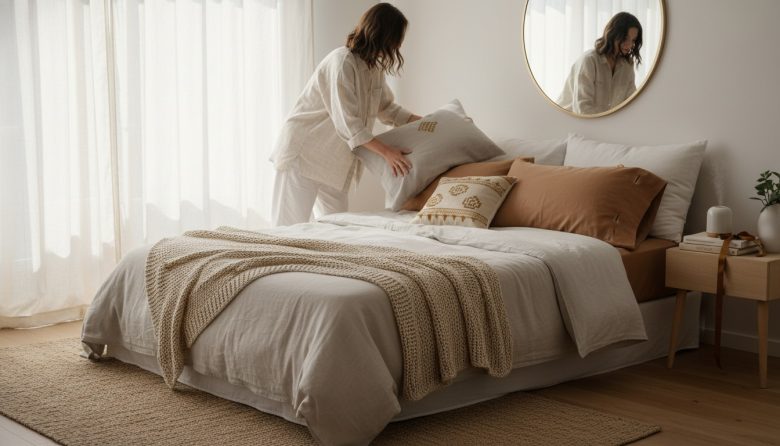
I remember my bedroom as a chaos zone. Piles of clothes on the chair, gadgets buzzing on the nightstand, and harsh light keeping me tossing till midnight. Sleep felt like a battle, leaving me drained each morning. One small tweak changed everything: clearing that nightstand opened the door to deeper rest.
Now, picture this before-and-after. Before: dresser buried under mail and lotions, mind racing at bedtime. After: serene surface with just a lamp and book, sleep coming easier within days. You don't need a full remodel. These simple changes build a calming sleep space that works with your routine.
I'll guide you through a 5-pillar framework. Each pillar focuses on small, sustainable shifts for steady progress. Think habit stacking and environment cues over big overhauls. Ready for small wins that add up to peaceful nights? Let's quiet your space, starting tonight.
Steady tweaks like these pair well with routines from the Weekend Recovery Sleep Plan After Long Weeks. They create cues your body craves for rest.
Unclutter Your Bedroom to Quiet the Mind
A cluttered room signals stress to your brain. Visual mess keeps thoughts spinning long after lights dim. Start with a simple declutter to create mental space for sleep.
Grab three bins: keep, store, donate. Sort one surface at a time, like your nightstand or dresser. This takes 10 minutes and cuts friction for bedtime calm.
Habit stack it: after brushing teeth, spend 5 minutes tidying. Use baskets under the bed for hidden storage. No more visual noise stealing your rest.
- Clear nightstand to lamp, book, water only.
- Donate unworn clothes weekly.
- Drawer organizers for small items.
Sarah shared her story: messy dresser to empty top. She slept through the night first try. Your turn for that quiet mind shift.
Layer Gentle Lighting for a Soft Wind-Down
Harsh lights mimic daytime, tricking your body clock. Soft glows cue wind-down mode naturally. Swap for layers that ease into darkness.
Install dimmer switches or grab salt lamps for warm hues. Add blackout curtains to block street glow. These reduce blue light friction effortlessly.
Set a sunset alarm as your cue at 8 PM. Use plug-in timers for lamps to fade automatically. Watch evenings transform from stark to soothing.
Quick swaps: LED bulbs with warm tones, $10 clip-on shades. Before: overhead glare till 11 PM. After: lamp ritual, asleep by 10:30.
Link this to habits in 10 Simple Habits That Improve Sleep Quality for even stronger cues.
Build a Cozy Bed Core with Supportive Layers
Your bed is the heart of sleep success. Lumpy or stuffy setups fight rest. Layer for support and breathability that invites sinking in.
Add a mattress topper for plush comfort. Choose breathable cotton sheets in cool tones. A light weighted blanket adds gentle hug without overheating.
Rotate pillows monthly for sustainability. Tuck sheets tight for a crisp feel each night. Small cues build this into your routine seamlessly.
- Bamboo or linen fabrics wick moisture.
- Medium-weight blankets, 10% body weight rule.
- Pillow shams for fresh vibe weekly.
Before: uneven mattress, sweaty nights. After: cloud-like nest, 8 hours straight. Cozy core sets the tone for full relaxation.
Add Sensory Whispers: Scents, Plants, and Textures
Senses shape your mood quietly. Stuffiness amps tension; soft inputs soothe. Infuse calm with easy sensory touches.
Plug in a lavender diffuser for bedtime spritz cue. Add a snake plant for fresh air and low light. Drape soft throws in neutral textures.
- Place plant near window.
- Spray pillow lightly pre-bed.
- Layer throw at foot of bed.
One reader turned her stuffy room into an oasis. Scents signaled sleep; plants purified air. Now, her routine feels like a retreat.
These whispers enhance family flows, much like the Family Evening Plan for Shared Sleep Success.
Mute Noise and Tech for Undisturbed Rest
Beeps and buzzes fragment sleep cycles. External noise pulls you from depth. Mute them with simple barriers and routines.
Get a white noise machine for steady hum. Set up a charging station outside the room. Earplugs as backup for tough nights.
Enforce a 30-minute tech curfew with a door hook for devices. This cue cuts screen friction. Evenings reclaim peace.
Daily shift: phone to hall at 9 PM, fan on low. From interrupted dozes to full recharge. Undisturbed rest becomes your new normal.
These pillars tie together for a holistic calm. Use this quick-reference table to spot do's and don'ts that reinforce your setup.
| Do | Don't | Why It Helps |
|---|---|---|
| Blackout curtains | Bright clock face | Signals true nighttime to your body clock |
| Hidden storage baskets | Surface clutter piles | Reduces visual stress cues |
| Warm lamp timers | Overhead fluorescents | Eases melatonin release gently |
| Breathable sheets | Heavy synthetic bedding | Prevents night sweats for steady sleep |
| Lavender diffuser | Strong perfumes | Calms nerves without overload |
| White noise machine | TV on low | Masks disruptions for deeper cycles |
| Weighted blanket light | Piles of pillows | Provides security without overheating |
| Plant like snake plant | Dusty fake plants | Cleans air naturally, feels alive |
| Door hook for phone | Bedside charger | Cuts temptation and blue light |
This table recaps pillars for at-a-glance checks. Scan it weekly to maintain momentum. Small alignments yield big calm gains.
Common Blockers and Simple Fixes to Keep Momentum
Progress hits snags sometimes. Spot them early with these fixes. Consistency thrives on practical tweaks.
- Limited budget: Declutter free first, then DIY shades from thrift fabric. Steady small spends add up without strain.
- Partner buy-in: Share one win, like joint 5-minute tidy. Mutual rest builds buy-in naturally.
- Small space: Go vertical with over-door organizers. Multi-use ottomans hide clutter smartly.
- Clutter creep: Weekly Sunday cue: 10-minute sweep. Friction stays low for sustainable calm.
These keep your routine flowing. No shame, just steady resets.
Your Tiny Metric and 7-Day Calm Space Challenge
Track one easy thing: rate your bedroom calm 1-5 nightly in phone notes. Spot patterns for small wins. This tiny metric builds awareness without overwhelm.
Pick one habit, like dimming lights. Pair with one cue, say 9 PM alarm. Try for 7 days and note sleep shifts.
Small changes compound. You've got this—your calm space awaits. Steady progress leads to restorative nights.
FAQ
What if my budget won't allow big changes?
Focus on free tweaks like decluttering surfaces and repositioning furniture for instant calm. Rearrange what you have to block light or noise. Layer thrift finds gradually for sustainable upgrades without spending much.
How do I get my partner on board?
Start with one shared cue, like a joint evening tidy-up that benefits both your sleep. Highlight mutual wins, such as quieter mornings together. Involve them in picking a pillar, turning it into a team routine.
Is this possible in a tiny apartment bedroom?
Yes, prioritize vertical space with shelves or over-door hooks. Use multi-use items like ottoman storage for bedding. Minimalist choices amplify calm even in small squares.
How soon will I notice better sleep?
Many see calm cues work in 3-7 days as your body adjusts. Track your tiny metric for steady gains tailored to you. Consistency reveals patterns faster than you think.
Are there plants I should avoid in the bedroom?
Skip high-oxygen demand ones at night, like certain large ferns. Stick to low-maintenance options such as peace lily or snake plant. They thrive in low light and purify air without hassle.



Comments
Pingback: The Best Calming Music for Sleep, Ranked by Science: BPM, Tracks, and How to Choose - Sunaport