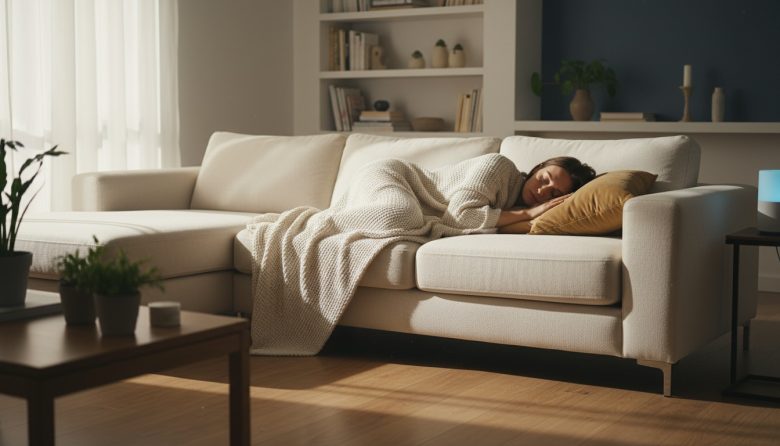
Picture this: Sarah, a busy mom juggling work calls and kid pickups, hits that familiar 2 p.m. wall. Her eyes droop, focus fades, but she pushes through with coffee, only to crash hard by dinner. One week later, after smart napping, she's energized for family evenings without tossing all night. Naps recharge us because they tap into natural circadian dips, restoring alertness without deep sleep stages that steal nighttime rest.
This 1200-word guide shares straightforward steps to nap effectively. You'll get a simple framework of four pillars, a handy table comparing nap styles, fixes for common blockers, and one tiny metric to track wins. Small tweaks lead to steady energy—let's make napping a sustainable routine.
Unlock Your Body's Prime Nap Window Using Daily Cues
Your body has built-in energy dips, often mid-afternoon, thanks to circadian rhythms. Tuning into personal cues like a post-lunch yawn or heavy eyelids helps pinpoint your sweet spot. Naps before 3 p.m. avoid messing with evening melatonin.
Start simple: Track your energy for two days. Note when yawns hit or focus slips—aim for a 20-60 minute window. Sarah noticed hers at 1:30 p.m. after lunch.
Before tweak: She slogged through afternoons, wired at bedtime. After: A quick nap there left her steady all day. Use cues like finishing lunch as your nap signal for consistency.
This rhythm assessment builds a reliable routine. Once found, anchor it daily. Your prime window makes naps feel natural, not forced.
Compare Nap Styles: Find Your Perfect Fit
Nap length and timing matter to dodge night disruptions. Short ones boost alertness without deep sleep inertia. Longer ones suit recovery but need safeguards.
Pick based on your day: Quick for desk workers, recovery for tough mornings. Habit stack a 20-minute one after eating. This keeps it seamless.
Glance at this table for options. It breaks down types, times, and tips to match your life.
| Nap Type | Duration | Best Time | Key Benefits | Night Sleep Safeguard |
|---|---|---|---|---|
| Power Nap | 10-20 min | 1-3 p.m. | Quick alertness boost | Set loud alarm |
| Coffee Nap | 20 min | 1-2 p.m. after coffee | Caffeine kicks in post-nap | Limit to once daily |
| Recovery Nap | 30 min | 2 p.m. | Deeper rest for fatigue | Dim lights, no extensions |
| Mini Nap | 5-10 min | Anytime before 3 p.m. | Instant focus refresh | Chair-based, eyes closed |
| Extended Recovery | 45-60 min | Early afternoon only | Memory and mood lift | Pair with early bedtime cue |
Test one style for a week. Sarah stacked coffee naps on lunch breaks, gaining steady afternoons without late-night buzz.
Build a Seamless Nap with 4 Simple Pillars
A solid nap routine rests on four pillars: cue setup, friction removal, duration cap, and wake cue. These create consistency without effort. Think habit language—small cues lead to automatic naps.
- Cue setup: Link to lunch end or a phone reminder. Sarah used her empty plate as the signal.
- Friction removal: Prep spot ahead—curtains ready, alarm set. Cut setup time to under a minute.
- Duration cap: Stick to 20-30 minutes max. Use timers to protect night sleep.
- Wake cue: Place water nearby or light switch. This eases you out refreshed.
Stack on lunch: Eat, cue nap pillar by pillar. Her before: Chaotic skips. After: Reliable recharge. Sustainable wins build from here.
Craft a Cozy Nap Spot with Everyday Tweaks
Environment sets nap success with low friction. Dim lights signal rest, cool temps aid sleep onset. Sound control keeps it cue-driven.
Before: Bright office, noisy kids—naps failed. After tweaks: Cozy corner, steady routine.
- Lower lights or use eye mask.
- Cool room to 65-68°F with fan.
- White noise app or earplugs.
- Comfy spot like recliner, not bed.
When refining your setup, drawing from how to create a calming bedroom sleep space adds layers without overlap. These changes make naps inviting, boosting consistency.
Gently Transition Out of Nap Mode Refreshed
Post-nap grogginess fades with light exposure and movement. Splash face, step outside, sip water. These cues shift you to alert mode.
Example routine: Alarm buzzes, lights on, 2-minute walk, hydrate. Sarah felt steady, not foggy. Avoid screens first—let natural light lead.
Link to how to skip snooze and wake feeling refreshed morning tactics for full-day flow. Steady transitions sustain energy.
Bust Through Common Blockers to Nap Consistency
Blockers pop up, but fixes keep momentum. Focus on small wins over perfection. Here's how to sidestep them.
- Time crunch: Shrink to 10 minutes; stack on breaks. Use mini-naps from the table.
- Guilt about napping: Reframe as fuel for evenings. Track one refreshed family dinner.
- Irregular schedule: Flex cues like post-meal yawn. Log shifts for two days.
- Worried about night sleep: Cap at 20 minutes before 3 p.m. Evening prep helps, like a winter warm-up evening plan for cozy sleep.
Pick one blocker, apply one fix. Progress feels achievable this way.
Measure Wins with One Tiny Nap Metric
Track evening energy level from 1-5 on nap days versus no-nap. Note in phone notes post-dinner: Was it steady or crashed? Simple logging shows patterns.
How-to: Evenings after naps, rate quickly. Aim for 4+ averages. Sarah saw jumps from 2 to 4 within days.
Your CTA: Choose one nap routine from the table plus one cue, like post-lunch. Try for 7 days, log the metric. Small consistency unlocks big energy.
FAQ: Your Smart Napping Questions Answered
Can naps help if I struggle with nighttime insomnia?
Yes, short naps timed early can ease daytime fatigue without worsening insomnia. Stick to 20 minutes before 3 p.m. to preserve melatonin buildup. If nights still falter, shorten further or skip on tough days—track your metric to adjust.
What if my nap window shifts with work?
Flexible cues keep it working. Use yawns or post-meal dips anywhere before late afternoon. Log shifts for a week, then anchor to the most common one. This builds routine amid changes.
Is napping okay for night shift workers?
Absolutely, adapt to your rhythm—nap before shifts or during breaks. Aim for 20-30 minutes in dim, quiet spots matching your "night." Consult your cycle; short naps recharge without deep sleep debt.
How do I avoid naps turning into long sleeps?
Set multiple alarms and environment caps like bright wake cues. Choose power or coffee naps from the table. Place your nap spot away from full bed comfort to cue short rests only.
Will napping make me dependent on it daily?
Not if kept sustainable—use as a tool, not crutch. Rotate styles, track if evenings improve without it. Small wins like better focus build natural energy over time.