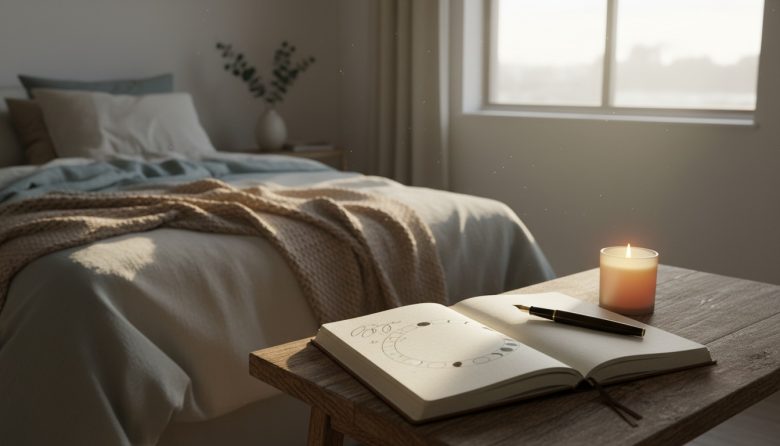
Ever wake up feeling like you ran a marathon in your sleep? You're not alone. I remember my friend Sarah, who chased perfect rest with fancy sleep apps, only to feel more drained from notifications and data overload. Simple notes changed everything for her—no screens, just a bedside pad revealing why late coffee wrecked her mornings.
Tracking sleep patterns with pen and paper builds consistency without friction. You spot cues like evening habits or room tweaks that apps miss. Over weeks, small wins stack up, like steady energy from one routine shift. Ready for a low-effort framework? Let's break it into four pillars for sustainable insights.
Why Simple Notes Unlock Sleep Insights Apps Can't Touch
Apps promise magic data, but they drain batteries and distract with graphs. A notebook travels anywhere—no charging needed. It cues reflection right when it counts, bedtime or wake-up.
Take my routine before notes: I'd crash late after scrolling, wake foggy, blame "stress." After a week of simple jots, I saw the pattern—screens past 9 p.m. zapped my rest. One tweak, and mornings brightened. Paper notes build this awareness steadily, without app overwhelm.
Portability shines on trips or busy days. Jot in the dark with a glow pen if needed. This low-friction tool turns vague tiredness into clear cues for small, real changes.
Set Up Your 4-Pillar Framework for Consistent Sleep Noting
Start with a simple four-pillar setup to make noting a routine. No fancy gear—just consistency. This framework fits any schedule, stacking onto what you already do.
- Choose your cue and tool: Grab a small notebook or index cards. Place it bedside with a pen—visible friction reducer.
- Nightly baseline notes: Before lights out, jot bedtime hour, mood, and one evening habit. Takes 20 seconds.
- Morning recap: Note wake time, energy level (1-5), and any wake-ups. Stack it with your first stretch.
- Weekly pattern scan: Sunday evenings, flip back for trends. Adjust one thing, like dimming lights earlier.
Habit stack for ease: Pair nightly notes with brushing teeth. Sarah did this and went from skipping half her logs to daily in days. Steady use reveals sleep cues without effort.
Keep it portable—a pocket notebook works for travel. This pillar approach builds momentum through small wins, turning notes into your sleep compass.
Capture These Key Notes to Reveal Hidden Sleep Cues
Focus on four essential prompts to uncover patterns. Keep them short—one line each. They highlight friction points like late eats or worry loops.
- Bedtime hour and mood: "10:30 p.m., relaxed after tea."
- Evening habits: Note caffeine, screens, or exercise.
- Wake time and energy: "6:45 a.m., energy 3/5—groggy."
- Wake-ups or disruptors: "Up at 2 a.m., thirsty."
Relatable scenario: Before notes, I'd dismiss random wake-ups. Jotting showed thirst from salty dinner—now I sip water earlier. Your notes will spotlight similar tweaks.
Stick to basics at first. Over time, these cues guide environment changes, like cooler rooms for deeper rest. Simple, right?
| Date | Bedtime Note (e.g., routine/mood) | Wake Time & Energy (1-5) | Wake-Ups or Disruptors | Suspected Trigger & Fix Idea |
|---|---|---|---|---|
| Mon, Oct 7 | 11 p.m., wired after coffee | 6:30 a.m., 2/5 | Up at 3 a.m. | Caffeine late; switch to tea post-6 p.m. |
| Tue, Oct 8 | 10:15 p.m., calm yoga | 6:45 a.m., 4/5 | None | Early wind-down works; repeat. |
| Wed, Oct 9 | 11:30 p.m., stressed emails | 7 a.m., 1/5 | Up twice | Screens; no phone after 9 p.m. |
| Thu, Oct 10 | 10 p.m., read book | 6:40 a.m., 5/5 | None | Book routine gold; stack nightly. |
| Fri, Oct 11 | Midnight, party drinks | 8 a.m., 3/5 | Up at 4 a.m. | Alcohol; limit to one next time. |
| Sat, Oct 12 | 10:45 p.m., light stretch | 7 a.m., 4/5 | One brief | Good baseline; add earplugs. |
Use this Sleep Pattern Trigger Tracker to log nightly. Fill as you go or recap mornings. Spot repeats—like caffeine links to low energy—and test fixes. It makes patterns pop in weeks.
Spot Steady Patterns in Your Notes for Small Sleep Wins
Review weekly: Scan for recurring cues, like late bedtimes tying to groggy wakes. No rush—steady looks build insight. Highlight friction, such as noise disruptors.
Example: My notes showed weekend lie-ins wrecked Monday energy. Tweaking to consistent wake times smoothed my week. Yours might reveal screen light as the culprit—consider the Winter Warm-Up Evening Plan for Cozy Sleep for dimmer cues.
Environment tweaks follow: If wake-ups cluster after meals, shift dinner earlier. Small wins like this create sustainable rest. Celebrate patterns spotted—that's progress.
Over a month, notes evolve. Add columns if needed, but keep it light. This review turns data into doable changes.
Bust Common Blockers Like Forgetting Your Notes
Blockers happen—here's how to sidestep them with practical fixes. Consistency thrives on cues, not force.
- Forgot to note: Stack with tooth-brushing—pen by sink as cue. Low friction restarts the routine.
- Inconsistent logging: Shrink to 30 seconds: Just time and energy score. Build back up steadily.
- Overwhelm from details: Cap at three notes max. Simplicity wins over perfection.
- No patterns yet: Stick two weeks minimum. Patience reveals cues; try the Bedtime Wind-Down Plan for Busy Parents to ease evenings meanwhile.
One reader shared: Travel derailed her notes, but pocket cards fixed it. Pick one blocker fix today. Steady tweaks keep momentum.
Watch This Tiny Metric for Sustainable Sleep Progress
Your tiny metric: Average nightly sleep hours, pulled from notes weekly. Jot bed and wake times, subtract for hours, average three days.
Example: Week one, 6.2 hours average. Tweak caffeine, week two hits 7.1. Track in your notebook's margin—no calculator needed.
This metric motivates without pressure. Small upticks signal wins, guiding next changes. Watch it climb steadily.
Layer Notes into Your Evening Routine with Frictionless Cues
Make noting automatic with cues. Bedside notebook glows in low light—grab and jot. Phone alarm at 9:45 p.m. nudges baseline notes.
Stack into evenings: After the Quick Tips to Cool Down for Faster Sleep, note your chill level. Before/after example: Pre-notes, I'd flop into bed scrolling. Now, jot mood post-routine, slip under covers calm—energy soared.
Pick one cue—like alarm—and one habit: Bedtime note. Try for 7 days. Notice your first small win, like fewer wake-ups. You've got this—steady rest awaits.
Frequently Asked Questions
What if I miss a night of notes?
Skip the shame—recall what you can next morning. Note approximate times or moods. Consistency beats perfection; one skip won't erase patterns.
Do I need a fancy journal?
Any scrap paper or phone's notes app works fine. Low friction is key—use what's handy. Focus on the habit, not the tool.
How long until I see sleep patterns?
Expect cues in 7-14 days with steady noting. Weekly scans deepen insights over a month. Patience unlocks the real wins.
What if notes show no issues?
Tweak one variable, like screen curfew, then re-track a week. Subtle cues hide—notes reveal them over time. Experiment gently.
Can I combine this with a wearable?
Absolutely—notes add rich context to device data, like mood or habits. Together, they paint a fuller picture for targeted tweaks. Best of both worlds.