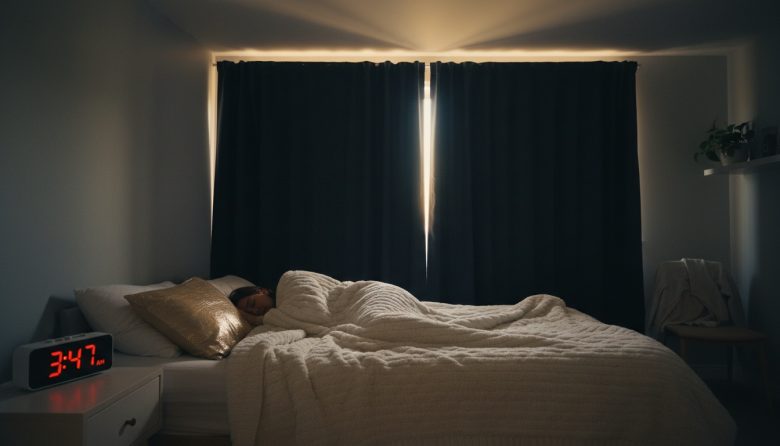
Imagine finishing a 12-hour night shift as a nurse, eyes heavy, body aching, only to face a bright morning sun and kids clamoring for breakfast. That's Sarah's story—she felt drained, snapping at loved ones, forgetting simple tasks. Shift work disrupts sleep for 20 million Americans, leading to fatigue that mimics sleep disorders.
But Sarah turned it around with small, flexible changes. No rigid 8-hour rules, just sustainable tweaks fitting her chaos. This plan offers a 4-pillar framework for reclaiming energy, one cue at a time.
Shift schedules clash with your body's natural clock, making rest feel impossible. Yet one simple shift—anchor sleep—builds consistency amid the mess.
Why Shift Schedules Steal Your Sleep – And One Simple Shift to Reclaim It
Your circadian rhythm craves steady light and dark cues, but rotating shifts flip that script. A night worker stares at dawn light while craving blackout, or an early riser fights evening family noise. These mismatches spike cortisol, steal deep sleep stages, and leave you foggy.
Enter anchor sleep: a fixed 4-6 hour core block you protect daily, no matter the shift. Sarah stacked it after nights—7am to 1pm—ignoring the world. Before, she crashed randomly, waking groggy; after, steady energy carried her through days.
Picture this: pre-anchor, she scrolled phone post-shift, buzzing till noon. Now, dim lights cue wind-down at 6:30am, blackout curtains drop, and she logs 5 solid hours. That one cue sparked small wins, proving flexibility beats perfection.
Ready to build on this? The 4-pillar framework makes anchor sleep the foundation, layering cues for real-life flow.
Build Your 4-Pillar Flexible Sleep Framework
Pillar 1: Anchor sleep block. Pick your core 4-6 hours based on shifts—protect it fiercely with cues like an alarm 30 minutes before bed. Stack it onto post-shift downtime for zero friction.
Pillar 2: Consistent wind-down cues. Dim lights, herbal tea, or stretching—same sequence every sleep, regardless of time. Sarah habit-stacks tea with brushing teeth, signaling brain it's rest time.
Pillar 3: Light and temp tweaks. Block blue light post-shift; cool room to 65°F. Use red bulbs or apps—small environment shifts amplify deep sleep without overhaul.
Pillar 4: Recovery micro-naps. 20-30 minutes if needed, timed away from anchor. Post-lunch for day shifts, they bridge gaps without grogginess.
Start with one pillar per week. Habit stack: pair anchor with your commute home. Sarah went from erratic naps to steady rhythm, energy soaring.
These pillars bend to your life. Now, see them in action across shift types with this comparison.
Sleep Routines That Bend to Your Shift Type
Different shifts demand tailored routines, but all prioritize anchor sleep and cues for sustainability. This table maps practical options—pick yours, tweak as needed. It keeps things simple, focusing on steady progress over ideals.
| Shift Type | Sleep Window | Pre-Sleep Cues (30 min) | Wake Routine | Pro Tip |
|---|---|---|---|---|
| Night (11pm-7am) | Anchor: 8am-2pm | Dim lights, earplugs, chamomile tea | Protein breakfast, natural light exposure | Blackout curtains essential |
| Early (5am-3pm) | Anchor: 4pm-10pm | Screen off, cool shower, journal | Black coffee, short walk | Wind-down before dinner rush |
| Rotating | Anchor: Overlap 2pm-6pm daily | Consistent: lavender spray, breathing | Melatonin if needed, steady meal | Shift cues weekly using phone reminders |
| Weekend (Fri-Sun nights) | Anchor: 9am-3pm post-nights | Noise-cancelling, light snack | Gentle stretch, hydration | Blend with weekday via micro-naps |
Grab the night shift row if that's you—Sarah adapted it, noticing sharper focus by day three. Mix in rotating tips for variety. These build momentum; your routine evolves with small tweaks.
With routines set, environment hacks seal the deal by cutting sleep friction effortlessly.
Environment Hacks to Cut Sleep Friction Fast
Blackout your space first: thrift curtains or clips block dawn light instantly. Before, Sarah's room glowed orange; after, total dark let her drop off in minutes.
White noise machines drown family chatter—apps work free. Stack with fan for dual cool air and hum. Her pre-shift noise vanished, sleep deepening.
Cool the room: socks off, fan on low, or ice pack. When nights warm up, the Summer Night Cooling Routine for Easy Sleep layers in breathable sheets for steady temps. These tweaks stack onto pillars, making rest automatic.
Before hacks: tossing in light and noise. After: cue fan at wind-down, sink into sleep. Small changes, big recovery.
Environments set, but real life throws blockers. Here's how to sidestep them with ease.
Common Blockers for Shift Sleepers – And Friction-Free Fixes
Family noise interrupts daytime sleep. Post a "quiet zone" sign and earplugs; communicate one cue like closed door means rest. The Family Evening Plan for Shared Sleep Success helps align household rhythms gently.
- Caffeine traps: Cut off 6 hours pre-anchor—swap for decaf ritual. Sarah's afternoon latte became herbal, fog lifting.
- Erratic hunger: Light protein snack 1 hour before, like yogurt. Stacks with wind-down, stabilizes blood sugar.
- Motivation dips: Tie to a reward cue, like favorite podcast post-nap. Builds positive loops without force.
- Partner schedules clash: Shared anchor overlap or alternate quiet hours. Small talks prevent resentment.
These fixes turn blockers into cues. One nurse buddy fixed noise with the sign alone—sleep hours doubled weekly. Steady wins follow.
To keep momentum, track one tiny metric. It spotlights progress without overwhelm.
Your Tiny Metric: Track One Easy Win for Momentum
Log "anchor sleep hours" nightly via phone notes app. Jot start/end times—aim 4+ hours. Why? It highlights consistency, fueling small wins.
Week 1 example: Day 1: 8am-1pm (5 hrs). Day 2: 7:30am-12:30pm (5 hrs). By day 7, patterns emerge, tweaks sharpen.
No fancy apps needed—just glance weekly for steady gains. Sarah's log showed 80% anchor hits, energy steadying. Yours builds the same habit muscle.
Tracking sets the stage for action. Jump into Week 1 with this starter plan.
Week 1 Starter Plan: Pick One Habit, Add One Cue
Choose anchor sleep as your habit. Add dim lights as cue—set phone to night mode pre-bed. Daily checklist: Wind-down at set time? Anchor protected? Log hours.
- Monday: Test anchor post-shift.
- Tuesday: Layer dim cue.
- Daily: Note wins, adjust friction.
Expect wobbles—progress is steady, not perfect. Sarah stuck 7 days, reclaiming mornings. Your small stack sparks the framework alive.
After long shifts, blend in recovery. The Weekend Recovery Sleep Plan After Long Weeks extends anchors smoothly into off days. Try for 7 days; energy shifts follow.
Questions ahead? This FAQ tackles edge cases with practical steps.
Frequently Asked Questions
What if my shifts rotate weekly?
Tailor anchor sleep to core overlap hours, like 2pm-6pm daily. Use the rotating row in the table for cues that stick across flips. Phone reminders shift wind-down seamlessly, keeping consistency amid chaos.
Can I catch up on sleep during days off?
Yes, but prioritize steady anchors over binge sleeping to avoid rebound fatigue. Add a 20-minute recovery micro-nap if needed. This sustains rhythm better than all-day crashes.
How do I handle family during daytime sleep?
Communicate clear cues like a "do not disturb" sign on your door. Pair with noise-blockers from environment hacks. Involve them in quiet games to build shared respect.
What about caffeine or meals near sleep?
Cut caffeine 6 hours before anchor; opt for light snacks like banana with nut butter from the framework. Time meals to fuel shifts, not fight sleep. Steady timing prevents crashes.
I travel for work – how to adapt?
Pack portable cues: eye mask, earplugs, white noise app. Track your tiny metric on phone for continuity across hotels. Anchor to local dusk/dawn loosely, stacking habits anywhere.