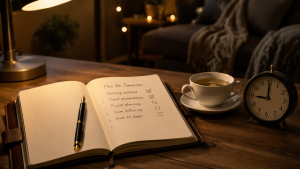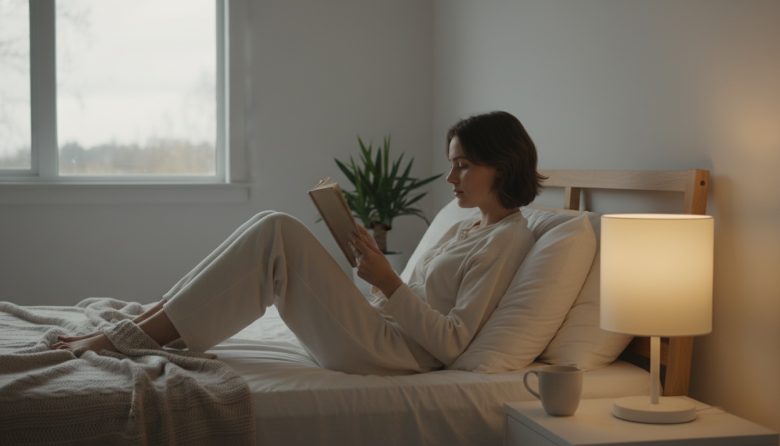
Picture this: It's 10 PM, you've just scrolled Instagram under the harsh kitchen lights, and now you're wide awake at midnight, tossing and turning. Sound familiar? That evening glow from screens and bulbs tricks your brain into thinking it's daytime, messing with your circadian rhythm—the natural clock that cues melatonin for rest.
I've been there, staring at the ceiling after late-night emails. The good news? You don't need a total blackout or fancy gadgets. With simple tweaks like gradual dimming, you can ease into sleep naturally. This guide shares a 4-pillar framework, real tools, and easy fixes to make your evenings cozy and restorative.
Steady changes here lead to deeper rest without overhaul. Let's dim the drama and light up better nights.
Why Evening Glow-Ups Disrupt Your Natural Sleep Rhythm
Bright lights, especially blue ones from phones or LEDs, suppress melatonin—the hormone that signals sleep time. Your eyes catch that glow from scrolling TikTok or cooking under fluorescents, keeping your body alert when it should wind down.
Think of it like this: Evolution wired us for sunsets, not 24/7 illumination. Evening exposure shifts your rhythm later, leading to shallow sleep and groggy mornings. Gradual dimming mimics dusk, gently cueing rest.
Studies show even 2 hours of lower light boosts sleep quality by 20-30%. It's a low-friction shift with big wins. Ready to layer it in?
Your 4-Pillar Framework for Seamless Evening Dimming
Build this routine with four steady pillars: consistency over perfection. Start 2 hours before bed for best results.
- Set a cue 2 hours before bed. Pick a trigger like finishing dinner or brushing teeth. This signals "dim time" without thinking.
- Layer dimming across rooms. Bedroom first, then living room—reduce by 50% each space. Use lamps over overheads.
- Stack with wind-down habits. Pair dimming with tea or reading. Cues stack for automatic flow.
- Adjust based on your energy. If tired early, start sooner. Track what feels sustainable.
This framework turns evenings into a calm sequence. Use the table below to pick your dimming style.
Dimming Routine Options Comparison Table
| Routine Type | Setup Effort | Cost Level | Key Benefits | Potential Drawbacks |
|---|---|---|---|---|
| Manual Switches | Low (flip as you go) | Free | Immediate control, no tech needed, builds habit awareness | Requires remembering each night |
| Smart Bulbs | Medium (app setup once) | Medium ($20-50 per bulb) | Auto-schedules, voice control, full customization | Initial cost, WiFi dependence |
| App Timers | Low (set phone clock) | Free | Reminders pop up, tracks patterns over time | Phone battery drain if always on |
| Candle/Red Light Lamps | Low (place and light) | Low ($10-20) | Warm glow supports melatonin, cozy vibe | Fire safety with candles, limited brightness |
Pick one that fits your space. Small wins compound here.
Low-Friction Tools and Tweaks to Automate Your Dim-Down
Start with what you have: Swap ceiling fixtures for table lamps. Add clip-on dimmers for $5—twist to fade light smoothly.
Tech lovers, try smart plugs. Plug in lamps, set sunset timers via apps like Philips Hue or free clock widgets. Motion sensors in hallways cut forgotten lights.
Habit stack it: After dinner cleanup, dim the kitchen while stacking with herbal tea. This cues your brain effortlessly. For quicker calm, weave in ideas from How to Build a Quick Evening Relaxation Habit.
Environment tweaks matter: Red bulbs filter blue light cheaply. Place them bedside for reading. Consistency builds the routine.
Spotting Common Blockers and Their 2-Minute Fixes
Forgetfulness hits everyone. Fix: Set a recurring phone alarm labeled "Cozy Dim Time." Snooze once, then act—low friction win.
Guests staying late? Grab a portable clip-on lamp for your spot. It dims your corner without house-wide changes. Keeps your rhythm steady.
Late work creeping in? Swap desk fluorescents for a warm desk lamp. Finish tasks there, then dim fully. No shame, just adaptation.
These fixes remove friction. Transition smoothly to your pillars next.
One Tiny Metric to Track Your Rest Wins
Your tiny metric: Log "dim start time" nightly in a notes app. Note the clock time you begin pillar 1.
Aim for the same window most nights, like 8-9 PM. No perfection needed—steady tracking shows progress. After a week, mornings feel lighter.
This cue reinforces the habit. Celebrate small consistencies; they stack into sustainable rest.
Real-Life Routines: From Harsh Lights to Cozy Nights
Take Sarah, a teacher with 7 PM fatigue. Before: Kitchen blazed till 11 PM during meal prep, leading to 1 AM bedtimes and dragging days.
After: She cues dimming post-dinner with pillar 2—lamb shades on, overhead off. Stacks reading under a 40W lamp. Now asleep by 10:30, energized for class.
Mike, a dad with kids' bedtime chaos. Before: Living room TV glare kept him wired. After: Smart bulb timers fade lights at 9 PM, stacked with kid storytime. His sleep deepened; family mornings smoother.
These stories show everyday tweaks work. Yours can too.
Pick One Habit, Add a Cue, and Try for 7 Days
Choose one pillar, like setting a dinner-end cue. Pair it with your tiny metric log.
Try for 7 days—note how rest shifts. Small changes here spark steady wins. You've got this; cozy nights await.
For seasonal tweaks, consider a Holiday Season Sleep Routine to Stay Energized to keep momentum.
Frequently Asked Questions
Can I still use my phone if I dim the lights?
Yes, but minimize blue light impact. Enable night mode or flux apps to warm the screen. Hold it 16 inches away and limit to 20 minutes—stack with dim room for balance.
What if my household lights are shared?
Focus on your personal zone. Use a bedside lamp or clamp light you control. Dim your space first, then encourage others gently—your rest comes first sustainably.
How dark is "gradual" dimming—do I need total blackout?
No blackout needed; aim for 50-70% reduction. Rooms should feel like dusk—cozy, not cave-like. Test with a 60W bulb swapped for 25W; adjust for comfort.
Does this work for shift workers?
Absolutely, with flexible timing. Shift your 2-hour cue to match sleep windows. Pair with a Flexible Sleep Plan for Shift Workers Everywhere for tailored rhythms.
Any risks with dimming too early?
Minimal, but check energy levels. If dimming at 6 PM leaves you sluggish, slide it later. Listen to your body—adjust pillar 4 keeps it sustainable.