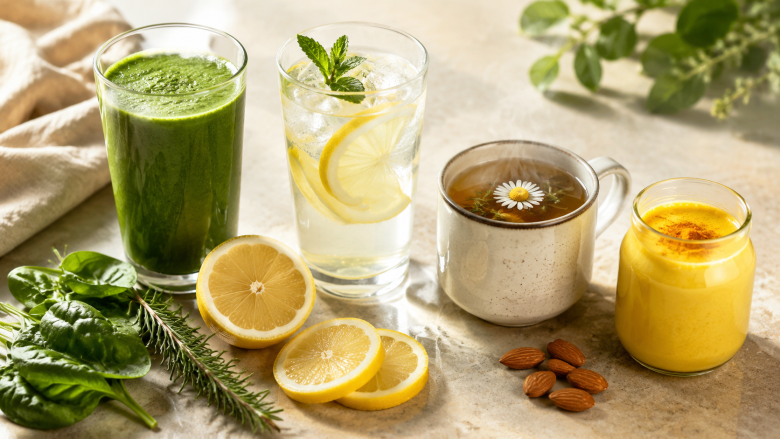
Your Healthiest Morning Drink Depends on Your Body's Priority
I spent years cycling through morning drink trends. Lemon water for "detox." Apple cider vinegar for "fat burning." Green smoothies for "energy." Most of them left me either hungry by 10 a.m., bloated, or reaching for a second coffee by noon. The problem wasn't the drinks themselves. It was that I chose them based on what everyone else was drinking, not on what my body actually needed.
Here's the truth: There is no single "best" healthy morning drink. The right choice depends on your specific health goal - whether that's steady blood sugar, gentle digestion, mental clarity, or managing conditions like acid reflux or low blood pressure. This guide will help you pick the drink that works for you, with safety considerations and practical habit-building steps that most articles skip.
Think of this as a decision tree, not a top-ten list. Let's start with the question that matters most: What is your body telling you right now?
How to Choose Your Morning Drink Based on Your Health Goal
Instead of randomly picking a drink, use this simple framework. Ask yourself: What is my priority for the next two to three hours after waking? Below are five common scenarios, each with a recommended drink and the science behind why it works.
If You Struggle with Afternoon Energy Crashes: Choose a Protein-Based Shake
A morning drink that is mostly carbohydrates - especially fruit juice or a fruit-only smoothie - will spike your blood sugar, triggering an insulin surge that leads to a mid-morning crash. A protein-based shake, on the other hand, provides sustained energy because protein slows gastric emptying and stabilizes blood glucose according to the National Institutes of Health.
When I switched from a banana-mango smoothie (which had about 50g of carbs and only 5g of protein) to a shake with 25g of protein from whey or pea protein, plus a handful of spinach and half a cup of berries, I noticed a dramatic difference. I stopped feeling foggy at 10:30 a.m. and no longer needed a second coffee.
The practical formula: At least 20g of protein, less than 15g of sugar, and include a source of fiber (like chia seeds or flax). Use unsweetened almond milk or water as your base. Avoid fruit juice - it's pure sugar without fiber.
If You Have Acid Reflux or Heartburn: Try Ginger Water or Fennel Tea
Most people don't realize that lemon water - a common morning drink - can actually worsen acid reflux. The citric acid relaxes the lower esophageal sphincter, allowing stomach acid to leak back up. A 2015 study in the Journal of Ethnopharmacology found that ginger accelerates gastric emptying and reduces reflux symptoms.
I learned this the hard way. For months I drank warm lemon water every morning, convinced it was "alkalizing" my body (a myth - your body tightly regulates pH regardless of what you drink). My reflux got worse. After switching to a simple ginger tea (steep a few thin slices of fresh ginger in hot water for 5 minutes, then strain), my symptoms improved within a week.
Edge case: If you also have low blood pressure, be cautious with ginger because it can lower blood pressure further. In that case, try fennel tea instead - it's gentle on the stomach and doesn't affect blood pressure.
If You Need Mental Focus Without Jitters: Try Green Tea with L-Theanine
Coffee gives you a quick jolt, but for many people it also brings anxiety, jitters, and a crash. Green tea contains caffeine (about 30-50mg per cup, compared to 95mg in coffee), but it also contains L-theanine, an amino acid that promotes alpha brain waves associated with calm alertness. The combination of caffeine and L-theanine has been shown to improve attention and cognitive performance without the overstimulation of coffee.
I used to drink two cups of black coffee by 8 a.m., and by 10 a.m. I was irritable and unfocused. Switching to matcha green tea (which has a higher concentration of L-theanine than regular green tea) gave me steady focus for three to four hours. If you're sensitive to caffeine, steep green tea for only one minute instead of three to reduce the caffeine content.
Trade-off: Green tea can interfere with iron absorption if you drink it with a meal. The tannins bind to non-heme iron (from plant sources). If you're at risk for anemia, drink it between meals, not with breakfast.
If You Have Low Blood Pressure or Feel Dizzy in the Morning: Start with Salt Water
This is the thing nobody tells you about morning drinks: For people with low blood pressure (hypotension), the popular lemon water or green tea can actually make you feel worse because they have a mild diuretic effect. Instead, a small glass of water with a pinch of high-quality salt (like Celtic sea salt or Himalayan pink salt) can help stabilize blood pressure by increasing blood volume.
I have a friend who used to feel lightheaded every morning until her doctor recommended this. She adds a small pinch of salt (about 1/8 teaspoon) to 8 ounces of warm water. Within a few days, her morning dizziness resolved. This is not a recommendation for everyone - if you have high blood pressure, avoid added salt. Always check with your doctor if you have a diagnosed condition.
Important nuance: The salt should be unrefined and rich in trace minerals, not table salt which is mostly sodium chloride with anti-caking agents. Also, drink this first thing, before any caffeinated beverages.
If You Struggle with Constipation or Bloating: Try Warm Water with Prune Juice or Aloe Vera
Many "gut health" morning drinks are actually harsh on the digestive system. Apple cider vinegar, for example, can irritate the stomach lining when taken on an empty stomach. A gentler option is warm water with a small amount (about 2-3 ounces) of unsweetened prune juice, or a quarter cup of pure aloe vera juice (look for fillet juice, not whole leaf which contains latex that can be a laxative).
The University of Iowa Hospitals and Clinics notes that prune juice is effective because it contains sorbitol and fiber, which soften stool. Aloe vera juice has anti-inflammatory properties that can soothe the gut lining. I've found that drinking either of these about 20 minutes before breakfast helps regulate digestion without the cramping that some laxative teas cause.
Warning: Aloe vera juice can interact with some medications, including diuretics and heart medications. Consult a healthcare professional if you take prescription drugs.
Safety Considerations Most Morning Drink Articles Ignore
Three common morning drinks can cause real harm if used incorrectly. Here's what to watch out for.
Apple Cider Vinegar and Tooth Enamel Erosion
ACV is highly acidic (pH around 2-3). Drinking it undiluted or even in a small amount of water can erode tooth enamel over time. The American Dental Association warns against frequent consumption of acidic beverages. If you choose to drink ACV, always dilute it (1 tablespoon in 8 ounces of water), drink it through a straw, and rinse your mouth with plain water afterward. Do not brush your teeth for at least 30 minutes after, because brushing softened enamel can wear it away faster.
Lemon Water and Acid Reflux
As mentioned earlier, lemon water can trigger reflux in susceptible individuals. Even if you don't have diagnosed GERD, the citric acid can irritate the esophagus. If you still want the vitamin C, consider eating a whole orange instead - the fiber buffers the acidity, and you get the benefits without the direct acid exposure.
Caffeine Timing and Circadian Rhythms
Drinking caffeine too early in the morning - especially right after waking - can interfere with your body's natural cortisol rise, which helps you wake up. A 2018 study in the Journal of Sleep Research suggests waiting 90 minutes after waking before your first caffeine dose. This allows your cortisol levels to peak and then drop, making the caffeine more effective and less likely to disrupt your evening sleep. I now delay my green tea until 90 minutes after I wake up, and I've noticed I sleep better at night.
Sugar and Satiety Trade-Offs: Why Your Smoothie Might Be Making You Hungry
One of the biggest mistakes I see in the "healthy morning drinks" space is the assumption that fruit-based smoothies are automatically healthy. A smoothie made with a banana, a cup of grapes, orange juice, and yogurt can easily contain 40-50 grams of sugar - almost all of it from the fruit. Without protein or fat, that sugar gets absorbed quickly, causing blood sugar spikes and subsequent crashes. The crash often triggers hunger and cravings for more carbs.
How to fix it: Always balance your smoothie with a protein source (protein powder, Greek yogurt, or silken tofu), a healthy fat (half an avocado, 1 tablespoon of nut butter, or chia seeds), and a low-sugar fruit (berries, green apple, or kiwi). Aim for a ratio of 2:1:1 - two parts vegetables or low-sugar fruit, one part protein, one part fat. This keeps you full for at least three to four hours.
Another trade-off: Liquid calories are less satiating than solid food, even if the nutrient profile is identical. A study from the American Journal of Clinical Nutrition found that people who consumed a liquid meal replacement reported less fullness compared to those who ate the same ingredients in solid form. If you're trying to manage weight, consider eating your breakfast rather than drinking it, or at least making your smoothie thick enough to require chewing (add frozen cauliflower or ice).
How to Build the Morning Drink Habit Without Abandoning It After a Week
Knowing what to drink is one thing. Actually doing it consistently is another. Here's the step-by-step process I use with clients and myself.
Step 1: Prep the Night Before
For a protein shake, measure the powder into a container and put the blender cup on the counter. For ginger tea, slice the ginger and store it in a small jar in the fridge. For green tea, set out your teabag and a mug. The less friction you have in the morning, the more likely you'll stick with it. I also fill a water bottle and leave it by my bed so I can drink 8-12 ounces of plain water first thing - hydration primes your system before any other drink.
Step 2: Follow a Morning Hydration Order
Your body has been without fluids for 7-8 hours. Drink water first, then wait 15-20 minutes before your caffeinated or acidic beverage. This prevents diluting stomach acid too much and helps with absorption. Here's the order I recommend:
- Upon waking: 8-12 ounces of plain water (room temperature is easier on the stomach).
- After 15-20 minutes: Your chosen healthy morning drink (e.g., green tea, ginger tea, protein shake).
- After another 30 minutes: Breakfast if you eat within an hour of waking.
This sequence is part of a broader Morning Wake-Up Routine to Boost Daily Energy that I've found helps people feel more consistent and less rushed.
Step 3: Start with One Drink, Not a Rotation
Don't try to drink five different things every morning. Pick one primary drink based on your current priority - for example, a protein shake if you're focused on energy, or ginger tea if you're managing reflux. Stick with it for at least two weeks before evaluating. If it works, keep it. If not, adjust. The most common reason people fail is that they try to do too much at once.
Step 4: Listen to Your Body, Not a Schedule
Some days you might not need the same drink. For example, if you slept poorly, your cortisol may be higher, and caffeine might make you anxious. On those days, swap green tea for a caffeine-free herbal tea like chamomile or peppermint. This flexibility is what differentiates a habit from a rigid routine. A Light Morning Routine with Natural Wake-Up Habits can help you tune into those signals without judgment.
Common Misconceptions About Morning Drinks, Debunked
Let's clear up some persistent myths that keep people from making good choices.
Myth: Lemon water alkalizes your body. Your body maintains a strict pH balance of around 7.4 in the blood. No food or drink can change that significantly. The alkalinity myth is based on a misunderstanding of how the body regulates pH. Lemons are actually acidic but have an alkaline effect on urine - that's a different thing entirely.
Myth: Apple cider vinegar burns fat. ACV can slightly improve insulin sensitivity after a meal, but it does not cause fat loss on its own. A 2018 meta-analysis in the Journal of Diabetes Research found a modest reduction in HbA1c in people with type 2 diabetes who took ACV, but weight loss was not significant. If you want to lose weight, focus on a balanced diet and physical activity, not a morning drink.
Myth: You need to drink something hot to wake up your metabolism. The thermic effect of food (the energy required to digest it) is increased only by the total calories and macronutrient composition, not the temperature. A cold protein shake will have the same thermic effect as a hot one. Drink what feels comfortable for you.
When to Skip the Morning Drink Altogether
There are situations where the best morning drink is no drink at all - at least not for the first hour. If you have:
- Gastroparesis (delayed stomach emptying): Drinking liquids on an empty stomach can worsen symptoms. Small sips of water only, and wait 30-45 minutes before any other beverage.
- Severe heartburn or GERD: Even water can trigger reflux in some people. Try a very small amount of room-temperature water and see how you respond.
- Morning migraines: Caffeine can either help or trigger migraines depending on the individual. If you're prone to them, experiment with a caffeine-free option first, like a small glass of water with a pinch of salt (which can help with electrolyte imbalances).
Always consult a healthcare professional before making significant changes to your morning routine, especially if you have a chronic condition. Your morning drink should support your health, not complicate it.
A Final Word: Start Small and Be Honest with Yourself
When I first started experimenting with morning drinks, I tried to overhaul everything at once. I bought a fancy blender, a bag of ginger, a bottle of ACV, and a box of green tea. I ended up with a counter full of half-used ingredients and a head full of frustration. The key is to pick one drink, commit to it for two weeks, and then evaluate. Did your energy improve? Did your digestion change? Did you actually enjoy drinking it?
For a deeper look at how morning habits affect your entire day, check out our Morning Wake-Up Plan to Boost Your Night Sleep, which explains how early choices influence sleep quality later. Remember, the best morning drink is the one that aligns with your body's needs, fits your schedule, and doesn't require you to become a wellness guru overnight. Start with one small change, and let your body guide the rest.