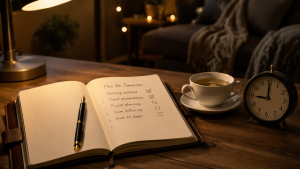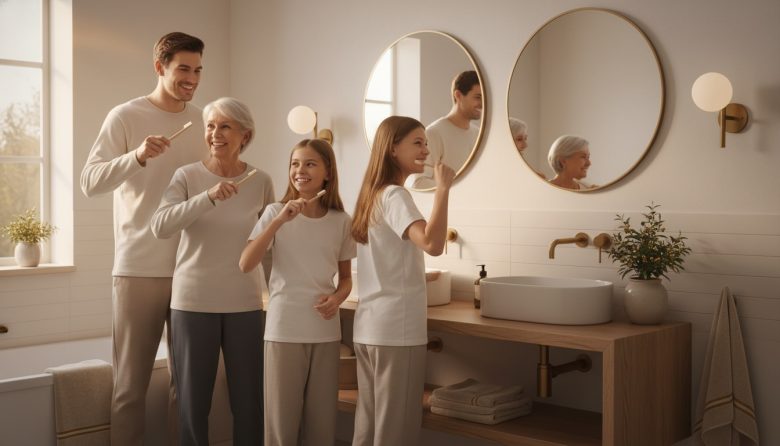
Picture this: It's 8:30 PM, the kids are wired from screens, your teen is scrolling endlessly, and you're fighting yawns while stacking dishes. Bedtime turns into a nightly tug-of-war. But imagine a calm shift instead—lights dimming softly, laughter over a quick story, everyone settling in with ease. A family evening sleep routine makes this real. It aligns everyone's circadian rhythms through shared cues, cutting sleep onset by up to 30 minutes per studies from the Sleep Foundation.
These routines build consistency without strict rules. Kids fall asleep faster, parents recharge, and teens report less daytime grogginess. You'll notice steadier moods and sharper focus by week two. This guide shares a simple 4-pillar framework, age tweaks, a ready checklist, blocker fixes, and one tiny tracker. Small changes lead to big rest for all.
Why Shared Evening Routines Build Better Sleep for the Whole Family
Your body's internal clock thrives on predictable cues like fading light and quiet. When families sync these, melatonin flows smoother for everyone. Research from the National Sleep Foundation shows shared wind-downs reduce family stress and boost sleep quality by 25%.
Take Sarah's family before: Dinner at 7, screens till 10, chaos till 11 PM crashes. Kids tossed for an hour; parents woke exhausted. After a routine: Lights dim post-meal, no screens after 8, group reading. Now, lights out by 9:30, asleep in 15 minutes. Everyone wakes refreshed.
This isn't magic—it's cue power. Evening habits signal "rest mode" collectively. Like the Family Evening Plan for Shared Sleep Success, it fosters connection while priming sleep.
The 4 Pillars of a Calming Family Wind-Down
Build your routine on these four pillars. They create low-friction cues that stack naturally. Start small—one pillar per week for sustainable wins.
- Dim lights early. Swap bright bulbs for warm ones post-dinner. This mimics sunset, cueing your body's melatonin release. Stack it: Flip the switch as plates hit the sink.
- Screen-free zone. Dock devices in a central charger at a set cue, like tea time. Blue light blocks sleep hormones; this 30-minute buffer restores them. Example: Family basket by the fridge—no exceptions.
- Shared quiet activity. Pick one thing together, like herbal tea and chit-chat or a 10-minute puzzle. It bonds without overstimulation. Habit stack: Right after screens off, brew chamomile.
- Personal wind-down slot. Give 10-15 minutes solo for reading or stretching. Tailor to ages—stories for kids, journaling for adults. Transition cue: "Bed lights on."
Real tweak: One family added pillow fluffing as pillar four. Kids loved the ritual; sleep came quicker. These pillars flex to your life, building steady progress.
For hot nights, layer in cooling from the Summer Night Cooling Routine for Easy Sleep. Open windows during pillar one for fresh air flow.
Crafting Age-Friendly Cues That Stick Night After Night
Step 1: Choose visual timers for toddlers—sand hourglasses flip post-dinner. Say, "When sand runs out, lights dim." This builds anticipation without nagging.
Step 2: For teens, use scent cues like lavender diffuser at screen-off. Let them pick the oil for buy-in. Stack on homework end: "Diffuser on, phones away."
Step 3: Adults anchor to dinner cleanup—brush teeth while music plays softly. Relatable: My friend Mike cues journaling with decaf tea; he's asleep 20 minutes faster.
Step 4: Habit stack across ages. Post-meal walk for energy burn, then pillar one. Consistency grows as cues link naturally. Tweak weekly based on what sticks.
Your Family Evening Sleep Routine Checklist
Use this checklist to map your routine. Check off habits as you go, noting what flows. Customize columns for your crew—build consistency one night at a time.
| Habit | Cue to Start | Time Estimate | Family Tweaks |
|---|---|---|---|
| Dim lights | Plates in sink | 5 mins | Softer bulbs in kids' rooms; voice assistant for main lights |
| Screen-free zone | Tea brewing | 2 mins | Family charging station; fun stickers for kids' buy-in |
| Shared quiet activity | Screens docked | 10-15 mins | Story rotation for toddlers; card game for teens/adults |
| Brush teeth | Activity ends | 5 mins | Flavored paste for kids; electric brush timer for all |
| Herbal tea sip | Teeth done | 5 mins | Chamomile for calm; decaf for picky teens |
| Personal wind-down | "Bed lights on" | 10 mins | Books for kids; stretch audio for parents |
| Pajama change | Dinner end | 5 mins | Matching PJs for fun; drawer by beds |
| Gratitude share | Tea time | 3 mins | One win per person; teddy "listens" for little ones |
Print or screenshot this table. Mark wins daily. Customize: Swap tea for warm milk if needed. Over time, it becomes your family's autopilot to rest.
One mom adjusted "shared activity" to audiobooks during walks. Her active kids settled faster. Your tweaks make it sustainable.
Sidestepping Common Blockers to Smooth Bedtimes
Late snacks spike energy—swap for herbal tea or banana slices 90 minutes before bed. This keeps blood sugar steady for deeper sleep.
Device creep happens; fix with a charging station ritual. Walk phones there together, chatting about the day. It turns surrender into connection.
Overtired meltdowns hit hard—anchor earlier with a 7 PM dinner cue. Shorten the day gently; add a pre-dinner stretch.
- Resistance from teens: Co-create one cue, like their playlist for wind-down. Low friction builds buy-in.
- Kiddo power struggles: Use timers as "boss"—no blame, just flow.
- Parent fatigue: Prep cues ahead, like pre-dimmed lamps. After long weeks, recover with the Weekend Recovery Sleep Plan After Long Weeks.
- Uneven ages: Parallel activities—babies nurse while bigs read nearby.
These fixes cut friction. Pick one blocker weekly; watch bedtimes smooth out.
One Tiny Metric to Celebrate Steady Progress
Track "bedtime within 15 minutes of cue" in a phone note or fridge chart. Log yes/no nightly—simple, no overwhelm.
Why it works: It spotlights small wins, like 5/7 nights. Builds momentum without perfection pressure. Ties to habit science—visible progress cues repetition.
Your CTA: Pick one habit, like dim lights, plus one cue, post-dinner. Try for 7 days, note your metric. Share family high-fives for hits. Steady rest awaits.
Frequently Asked Questions
What if family schedules clash?
Find a shared 30-minute window, like 8:30-9 PM, for core pillars. Flex personal slots around work or sports—dim lights and screens off stay anchors. This keeps rhythm even on staggered nights, with most families syncing 80% of evenings.
How do I handle picky eaters at dinner?
Prep sleep-friendly swaps like warm milk, oats, or yogurt 2 hours pre-bed. Focus routine over menu—light bites prevent reflux. One family set a "cozy corner" with options; kids chose willingly, easing into wind-down.
Teens resist—any low-friction starts?
Invite their input on one cue, like curating a chill playlist post-screens. Start solo, then share. Resistance fades as they own it; track their metric for buy-in.
Travel disrupts routines—what now?
Pack 2 portable cues: timer app and lavender spray. Do pillars in hotel order. Consistency via minis keeps sleep steady; full reset home in 2 nights.
When will we see better sleep?
Notice small wins like quicker settling in 7 days. Full circadian sync hits 2-3 weeks with cues. Track your metric—steady yeses confirm progress.