Picture this: It's 10 PM, and you're finally in bed after a late-night scroll through social media. Your mind races with half-read articles and unanswered comments, but sleep won't come. You've been there, tossing and turning while your phone glows in the dark.
Blue light from screens tricks your brain into thinking it's daytime, suppressing melatonin—the hormone that signals it's time to rest. Studies show even 30 minutes of exposure can delay sleep by an hour. But here's the good news: one friend ditched screens 60 minutes before bed and fell asleep in half the time within a week.
Small, consistent changes like this build sustainable routines without overwhelm. In this guide, we'll break it down into spot-on cues, four simple pillars, and easy fixes. You'll end evenings feeling calm and ready for deeper rest.
Ready for easier bedtimes? Let's spot the traps first and layer in routines that stick.
Spot the Evening Scroll Trap and Set Your Digital Sunset
Evenings often start innocently—a quick post-dinner phone check turns into an hour. These cues, like sinking into the couch with notifications buzzing, pull you into endless scrolling. The result? A wired brain when you need calm.
Set your digital sunset 60 minutes before bed. Start small, like 9 PM if bedtime is 10. This creates a clear boundary for wind-down.
Try an environment tweak: Charge your phone in another room overnight. One reader moved hers to the kitchen dresser and noticed instant friction against late checks. It cues your brain: evenings are for rest, not reels.
Habit stack it with a tea ritual. As you brew chamomile at 8:30 PM, declare it your no-screen cue. Consistency here builds momentum for the pillars ahead.
This shift pairs well with a winter warm-up evening plan for cozy sleep, adding warmth to your routine without screens.
Layer In Your 4 Pillars for a Calming Screen-Free Flow
A strong screen-free evening rests on four pillars. Build them steadily—one per week—for sustainable progress. Each creates cues that signal rest time.
Pillar 1: Dim lights and cue wind-down. At a set time, like 8 PM, lower lamps and sip herbal tea. This mimics sunset, easing your body into sleep mode with low light.
Real-life example: Sarah flicked her smart bulbs to amber at 8 PM daily. Within days, her eyelids grew heavy naturally—no force needed.
Pillar 2: Pick 2-3 cozy activities. Choose reading a physical book, light journaling, or puzzles. Keep options ready on a side table to reduce decision friction.
Journal prompt idea: Note three gratitudes. It quiets mental chatter better than scrolling ever could.
Pillar 3: Gentle body care. Spend 10 minutes on stretches or lotion rituals. Roll shoulders back, breathe deeply, or massage feet—simple moves that release the day.
Stack this after tea: As your cup empties, transition to a quick yoga pose. Bodies remember these cues over time.
Pillar 4: Consistent bedtime anchor. End with the same phrase, like "Lights out, sweet dreams," while turning off the last lamp. It becomes a mental close to the day.
Start with Pillar 1 this week. Small wins compound, turning evenings into a calming flow. Link it to a simple evening routine for deeper sleep tonight for extra steadiness.
Screen-Free Evening Do's and Don'ts
Use this table as a quick reference for your pillars. It highlights swaps that lower friction and boost calm. Scan it nightly to reinforce good cues.
| Do This | Avoid This | Why It Helps |
|---|---|---|
| Read a physical book | Mindless social media scroll | Eases mind into rest mode without blue light |
| Sip herbal tea mindfully | Check work emails | Promotes relaxation hormones over stress |
| Journal three gratitudes | Watch news clips | Shifts focus to positive, winding down thoughts |
| Do gentle stretches | Do intense workouts | Releases tension without revving energy |
| Listen to soft audio stories | Binge podcasts or videos | Allows passive calm, no screen glare |
| Apply lotion with deep breaths | Plan tomorrow's to-do list | Grounds body in present, not future worries |
| Use dim amber lighting | Keep overheads bright | Signals melatonin production naturally |
| Say a bedtime anchor phrase | Hit snooze on phone alarms | Creates ritual closure for steady sleep cues |
Pick one "Do" to start. These swaps make screen-free evenings feel natural and rewarding.
Unstick Common Blockers with Friction-Free Fixes
Blockers pop up, but practical tweaks keep you going. Here's how to handle them with encouragement.
- Urge to check notifications: Set app limits before 8 PM and tuck your phone in a drawer. Add a fun sticker to the drawer as a smile cue—reduces impulse without willpower battles.
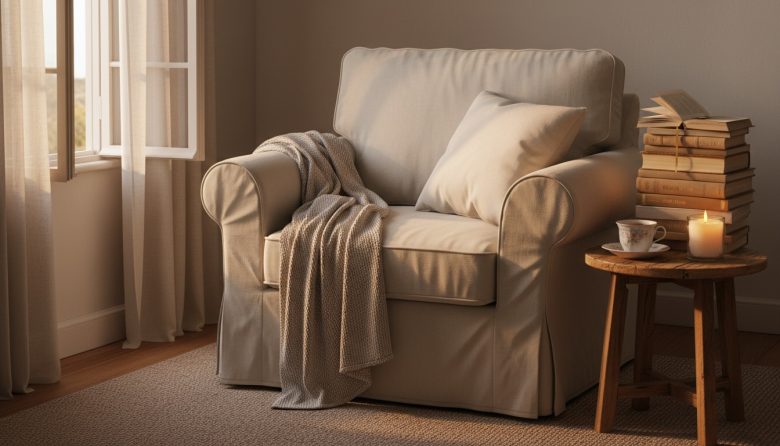
- Boredom hits mid-evening: Pre-pick three activities the night before, like book, journal, stretches. Place them in a "cozy kit" basket by your chair for zero-search friction.
- Partner keeps scrolling: Share a cue, like dimming house lights together at 9 PM. Turn it into a team ritual—pour tea for two and chat screen-free.
- Weekends feel different: Use the same pillars but flex timing. Consistency across days builds the habit muscle gently.
These fixes turn "I can't" into "This works." Steady progress comes from smart environment changes.
Stack Habits for Effortless Screen-Free Momentum
Before: 9 PM hits—couch, Netflix glow, snacks, bed at 11:30 feeling jittery. After: 9 PM tea brew cues dim lights, journal stack (5 minutes), stretch (post-tea), anchor phrase at 10 PM—asleep by 10:15.
Habit stacking glues new routines to old ones. Link screen-free to dinner cleanup: As dishes dry, grab your book. Or post-brush teeth, lotion ritual flows next.
One user stacked reading onto her 8 PM tea—now it's automatic. Small stacks create unstoppable evening flow. Consider this alongside smart napping tips without night disruptions for full-day rest balance.
Measure Progress with One Tiny Metric
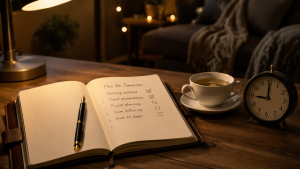
Track "screen-free minutes before bed" daily. Use a bedside notepad—jot the number each night, like "45 minutes today."
Aim for steady increases: +10 minutes weekly. Celebrate small wins, like treating yourself to new tea after hitting 60 minutes three nights.
No app needed—just pen and paper reduces screen temptation. Over a month, you'll see sustainable growth. This metric keeps motivation high without pressure.
Your turn: Choose one "Do" from the table and one pillar cue, like tea at 8 PM. Try for 7 days, tracking those minutes. Notice easier bedtimes unfold.
Frequently Asked Questions
What if I need my phone for an alarm?
Switch to a dedicated alarm clock—inexpensive ones glow softly without blue light. Place your phone across the room after your digital sunset, charged and silenced. This cuts temptation while ensuring you wake on time.
How do I handle work emails creeping into evenings?
Set an auto-reply after 7 PM: "I'll respond tomorrow." Pair it with a hard cutoff—close your laptop at dinner's end as a cue. This protects your wind-down pillars consistently.
Is 30 minutes screen-free enough to start?
Absolutely—build consistency first with what fits your life. Track those 30 minutes for a week, then nudge to 45. Small, steady extensions lead to lasting calm evenings.
What about kids or family screen time?
Create a shared no-screen zone post-8 PM, like the living room. Lead by example with your pillars—invite family to tea or stories. It turns evenings into cozy, collective rituals.
I forget every night—what's a reliable reminder?
Set an environment cue: A sunset lamp timer dims at 8 PM automatically. Tie your first pillar to it—tea as lights fade. Reliable cues like this make forgetting a thing of the past.