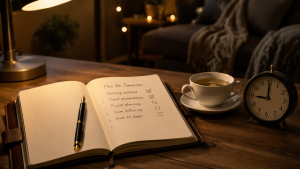
Picture this: You're an athlete pushing through a grueling workout, muscles burning, sweat dripping, chasing that next personal best. But the next day, fatigue hits like a wall, recovery feels sluggish, and your performance dips. This was Sarah's reality—a dedicated runner logging 40 miles a week, yet constantly battling sore legs and nagging tiredness.
Studies show quality sleep boosts muscle repair by 20-30%, releasing growth hormones that mend tissues strained from training. For athletes, post-workout sleep isn't a luxury; it's the secret sauce for faster recovery and sustained gains. Without it, inflammation lingers, and your body struggles to adapt.
This routine changes that. We'll build a simple 4-pillar framework: wind-down cues, nutrition timing, environment tweaks, and consistency anchors. Along the way, tackle common blockers with easy fixes and track one tiny metric for steady progress. Small changes like these turned Sarah's chaotic evenings into restorative nights, helping her shave minutes off her 10K time. You can start tonight—let's make recovery feel achievable and fun.
Why Post-Workout Sleep Fuels Your Next Personal Best
During deep sleep, your body ramps up hormone release, like human growth hormone, which repairs micro-tears in muscles from intense sessions. It also dials down inflammation, letting you bounce back quicker for tomorrow's workout. Skip this window, and recovery drags, leaving you drained.
Take Mike, a cyclist who trained hard but slept poorly after late rides. Evenings meant scrolling feeds until midnight, waking groggy. He added a recovery sleep routine—dim lights post-dinner, a quick snack—and soon pedaled stronger, hitting new hill climb records. His story shows how tuning sleep post-workout unlocks steady gains.
This isn't about perfect rest; it's sustainable habits that fit your athletic life. As we move to the framework, notice how each pillar builds on the last for a seamless evening flow.
Your 4-Pillar Framework for Recovery Sleep Success
Athletes thrive on structure, so here's a straightforward 4-pillar plan: wind-down cues to signal rest, nutrition timing for hormone support, environment tweaks for deeper sleep, and consistency anchors to make it stick. Each pillar uses habit stacking—pairing new routines with existing ones—to cut friction.
For example, Sarah stacked a 5-minute stretch with turning off overhead lights after her run. This cue told her body, "Workout's done, recovery starts now." Over weeks, it became automatic, blending effortlessly into her evenings.
These pillars create a low-friction path to better sleep. Next, dive into evening cues to kick things off right.
Set Evening Cues That Tell Your Body It's Recovery Time
Start your wind-down 60-90 minutes before bed. Cut blue light first—swap screens for a book or dim red bulbs. Follow with 4-7-8 breathing: inhale 4 seconds, hold 7, exhale 8. Repeat five times.
Before: Chaotic post-workout evenings with phone glow and racing thoughts kept Sarah wired. After: Her ritual—phone on do-not-disturb at 8 PM, breathing by the window—eased her into calm, falling asleep faster.
This routine reduces cortisol, priming muscles for repair. Stack it with brushing teeth for an unbreakable cue. Simple shifts like these build the recovery foundation.
Smart Snacks to Bridge Workout Recovery into Sleep
Timing matters: Eat a recovery snack 1-2 hours before bed to stabilize blood sugar without disrupting sleep. Try tart cherry juice for natural melatonin, or Greek yogurt with a banana for protein and magnesium.
Other low-friction ideas: A handful of almonds (healthy fats curb hunger), or cottage cheese with pineapple (tryptophan boost). Use dinner cleanup as your cue—prep the snack then.
These choices support overnight repair while signaling rest. One athlete swapped late protein shakes for yogurt, noticing less midnight wake-ups and fresher mornings. Keep portions small for easy adoption.
Athlete's Post-Workout Sleep Habit Checklist
Use this table as your weekly tracker. It pulls together the 4 pillars into actionable habits. Check off evenings as you go—aim for consistency over perfection. Print it or jot in a notebook for quick glances.
| Habit | Recovery Benefit | Evening Cue | Weekly Check (Mon-Sun) |
|---|---|---|---|
| Dim lights | Deeper REM for muscle repair | After dinner | [ ] [ ] [ ] [ ] [ ] [ ] [ ] |
| 4-7-8 breathing | Lowers cortisol, eases inflammation | Post-shower | [ ] [ ] [ ] [ ] [ ] [ ] [ ] |
| Tart cherry snack | Melatonin boost for faster sleep onset | 1hr before bed | [ ] [ ] [ ] [ ] [ ] [ ] [ ] |
| Cool room (65°F) | Enhances growth hormone release | Pre-bed check | [ ] [ ] [ ] [ ] [ ] [ ] [ ] |
| Blackout curtains | Blocks light for uninterrupted cycles | Evening close | [ ] [ ] [ ] [ ] [ ] [ ] [ ] |
| Bedtime anchor (same time) | Regulates circadian rhythm for steady recovery | Alarm reminder | [ ] [ ] [ ] [ ] [ ] [ ] [ ] |
| White noise | Masks distractions, deepens sleep stages | Turn on at lights out | [ ] [ ] [ ] [ ] [ ] [ ] [ ] |
| Yoga stretch | Releases tension, preps for repair | After snack | [ ] [ ] [ ] [ ] [ ] [ ] [ ] |
Glance at your checks mid-week to spot patterns. This visual cue reinforces small wins, making the framework stick.
Tweak Your Bedroom for Athlete-Grade Sleep Depth
Athletes need sleep like a cool, dark cave. Set your room to 65°F—use a fan or AC. Add blackout curtains and white noise to drown out street sounds.
Before: Mike's bright, stuffy bedroom meant tossing all night. After: Blackouts, a fan, and earplugs turned it into a recovery sanctuary—he slept deeper, woke energized. For travel, pack a sleep mask.
These tweaks cut sleep friction. Pair with your Office Day Sleep Prep Routine for Restful Nights on lighter training days for variety.
Common Blockers to Recovery Sleep and Friction-Free Fixes
Late caffeine lingers—swap for herbal tea after noon. Screen scroll spikes alertness; dock your phone in another room at 8 PM.
Irregular schedules throw off rhythms—anchor bedtime with a 9:30 PM alarm, even on off days. Stress rumination? Jot three gratitudes pre-bed to shift focus.
These fixes remove barriers gently. One runner faced travel woes but used packable earplugs, linking back to her Winter Warm-Up Evening Plan for Cozy Sleep for adaptable cues.
One Tiny Metric to Track Your Sleep Progress
Each morning, note your energy level on a 1-5 scale by your bed. It's quick, no app needed, and reveals patterns over days.
Watch for upticks after consistent habits. Pick one habit and one cue from the checklist—like dim lights after dinner—try for 7 days. Small wins build momentum.
Frequently Asked Questions
Can I build this routine if I train late at night?
Yes, compress the wind-down to 30 minutes: quick breathing, a small snack like almonds, then bed. Prioritize cues over full pillars initially. Your body adapts fast with consistency.
What if travel disrupts my sleep environment?
Pack light: earplugs, eye mask, and a travel fan. Use hotel white noise apps as a cue. Stack with breathing for portable recovery—many athletes swear by this for races.
How soon will I notice recovery improvements?
Expect small wins in 7-14 days: less soreness, steadier energy. Track your morning metric to see it. Steady habits compound into big gains over a month.
Is this routine okay for strength athletes vs. endurance?
It's universal—strength folks amp protein snacks like cottage cheese, endurance lean on cherries for anti-inflammation. Tweak per needs, but pillars stay the same. Test and adjust.
What if I miss a night—do I start over?
No, consistency beats perfection. Jump back with your anchor cue next evening. One off-night won't derail progress; focus on the next small win.