Picture this: Sarah, a mom juggling a full-time job and two energetic kids, used to collapse into bed exhausted but wired from the day. Her evenings were a blur of dishes, emails, and scrolling, leaving her tossing and turning half the night. One small shift changed everything—she carved out five minutes for a simple breathing routine right after dinner, and soon her stress melted away, sleep came easier, and she woke up with steady energy.
That's the power of a quick evening relaxation habit. It signals your body to unwind, cuts down cortisol for better recovery, and sets the stage for restful nights. No fancy gear or hours needed—just consistent, tiny moments that build into real calm. In this guide, I'll walk you through a simple framework with four pillars, easy activity picks, cues to make it stick, and fixes for common hurdles. You'll end with one tiny metric to track your small wins.
Ready for evenings that feel restorative instead of rushed? Let's make it achievable, one breath at a time.
Choose Your Anchor: Simple Activities That Fit Any Evening
Start by picking one activity that feels light and doable. These anchors ground your relaxation without adding pressure. Think deep breathing, a gentle stretch, or jotting one gratitude note—each takes under five minutes.
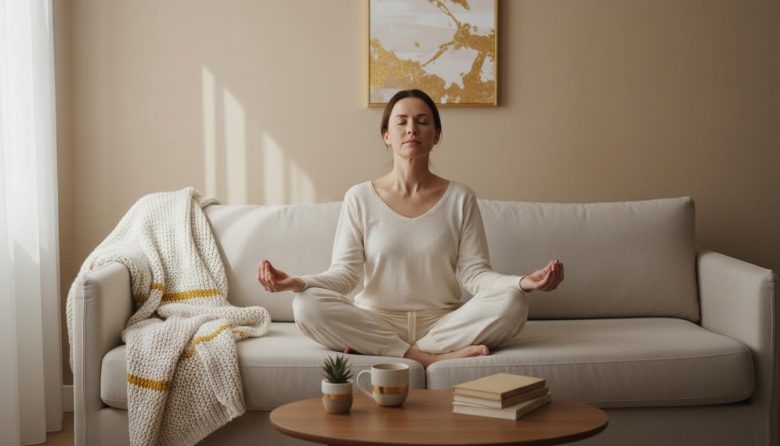
Take deep breathing: Sit comfortably, inhale for four counts, hold for four, exhale for four. Sarah tried this first; it quieted her racing thoughts after kid bedtime chaos. Or try a gentle stretch: Roll your shoulders, touch your toes, hold for 30 seconds—perfect if screen time left you hunched.
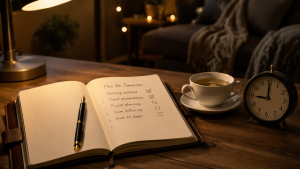
Gratitude jot works wonders too. Grab a notebook and write one thing you're thankful for, like a warm meal or a kid's laugh. Habit stack it onto brushing your teeth: Do it while the minty foam lingers. These options flex to your evening flow, building consistency through small wins.
Real-life tweak: Mark, a remote worker, stacked stretches after his last email check. His before routine? Slumped on the couch scrolling. After? Looser muscles and a calmer mind, easing into bed.
Design Cues That Pull You In Without Effort
Cues are your secret to autopilot relaxation. They reduce friction so the habit happens naturally. Dim the lights or light a lavender candle as your signal—your brain links it to unwind time.
Set a phone timer for 5:05 p.m. post-dinner; the soft chime pulls you in. Or place a cozy throw blanket on your chair—sinking into it cues the start. These tweaks make starting effortless.
Before: Evenings drag with decisions—what now? After: The scent or light flips the switch, and you're breathing deeply without thinking. One friend swapped bright kitchen lights for a salt lamp; her tension dropped instantly. Keep cues visible and sensory for steady pull.
Quick Relaxation Routine Comparison
This table breaks down four solid options side-by-side. It helps you spot the best fit for your evenings—low setup, quick time, targeted benefits. Scan it, pick one, and layer in your cue for momentum.
| Routine Option | Time Needed | Setup Required | Best For |
|---|---|---|---|
| Deep Breathing | 3 minutes | None | Quick stress melt |
| Body Scan | 5 minutes | Quiet spot | Tension release |
| Gratitude Jot | 2 minutes | Notebook | Positive shift |
| Gentle Stretch | 4 minutes | Mat optional | Physical unwind |
Use this as your cheat sheet. Notice how deep breathing needs zero prep—ideal for chaotic nights. Your choice builds sustainable calm.
Stack Relaxation Right After Your Dinner Flow
Habit stacking ties your new routine to something you already do. After rinsing the last dish, pause for your anchor. This cue leverages your existing rhythm for consistency.
Other stacks: Post-shower towel-dry leads to gratitude jot. Or after turning off work notifications, dim lights for a body scan. These links create flow without new decisions.
- Dinner cleanup → deep breathing (sink still wet as cue).
- Kids' bedtime story ends → gentle stretch in hallway.
- Tea sip → journal prompt on the counter.
One reader stacked stretches after her evening tea; it turned rushed nights into gentle closes. As you build this, weave in screen-free evening tips for easy bedtime to amplify the peace.
The 4 Pillars of Your Sustainable Evening Reset
Here's your simple framework: four pillars that make the habit stick long-term. Follow them step-by-step for steady progress. No overload—just clear, doable steps.
- Cue: Set one trigger, like post-dinner dimmer switch. It pulls you in reliably.
- Activity: Do your anchor for 3-5 minutes. Keep it friction-free, like breathing wherever you stand.
- Reward: Follow with a small treat—a favorite tea or soft music. This wires pleasure to the routine.
- Reflect: Note one good feeling, like "looser shoulders." It reinforces small wins.
Apply it daily: Cue hits, breathe, sip tea, jot "calmer." Over a week, it compounds. Link this to your 7-Day Reset Routine for Better Sleep Habits for even deeper recovery—your evenings transform quietly.
These pillars flex: Tired day? Shorten activity. Busy? Stack tighter. Consistency grows from here.
Overcome Common Blockers with These Practical Tweaks
Fatigue hits hard some evenings, making even five minutes feel tough. Fix: Shrink to one minute—one deep breath cycle. Build back up tomorrow; small wins rebuild momentum.
Distractions like phone pings pull you away. Tweak: Create a "phone basket" by your spot—drop it in pre-relax. Or use airplane mode for the window.
Kids or partner interrupt? Micro-version in the bathroom: Close door, stretch while brushing. One parent whispers breaths during storytime wind-down. No shame in adapts—these keep the routine alive.
Decision paralysis? Stick to table picks; rotate weekly. Environment shift, like a dedicated chair, cuts friction further. Steady tweaks turn blockers into non-issues.
Track One Tiny Metric for Steady Momentum
Your metric: Mark an X on a wall calendar for each completed evening. One glance shows streaks—pure, visual progress. No apps, just pen and paper.
Like Tom, who started with three X's a week. By day 14, seven in a row sparked craving. It celebrates consistency without pressure.
Hang it by your fridge—see it during dinner prep. This tiny track fuels sustainable habits. Pair with an office day sleep prep routine for restful nights to bridge work to unwind seamlessly.
Pick one routine from the table, one cue like post-dinner lights, and try for seven days. Watch the X's stack up— you've got this.
Frequently Asked Questions
What if I forget most evenings?
Set a recurring phone alarm as your cue, labeled "breathe easy." If you miss, no big deal—restart next meal without guilt. Consistency rebuilds fast with gentle nudges; most see it stick by week two.
Can I do this if I have kids at home?
Yes—stack it where they are, like deep breaths during their play wind-down, or micro-stretch in the bathroom for two minutes. Involve them lightly: "Mom's calm time," then join with kid-sized versions. It models healthy routines for everyone.
Does it really help with sleep?
Absolutely—steady cues signal your body it's wind-down time, lowering heart rate and stress hormones. Users report falling asleep 20 minutes faster after a week. It primes recovery without pills or strict rules.
What if 5 minutes feels too short?
Start tiny to build the cue link, then extend naturally if it feels good—add a minute weekly. Forcing longer creates friction; let pull happen organically for sustainability.
How do I know it's becoming a habit?
You'll notice craving the cue, like auto-dimming lights post-dinner, or mild restlessness without it. After seven days of X's, the routine feels automatic. That's your steady win signal—keep going.